

-at-the-police-station-after-getting-a-police-complaint-registered-on-13-Ja.jpeg?trim=539%2C0%2C258%2C0&width=1200&height=800&crop=1200%3A800&ssl=1 "Christian pastor says he was assaulted and fed cow dung by Hindu mob")
Pastor Bipin Bihari Naik and his flock had only just gathered for Sunday prayers inside a house in India’s eastern state of Odisha, when a dozen men barged in carrying sticks, dragged him out, and started to beat him as his wife and children watched in horror.
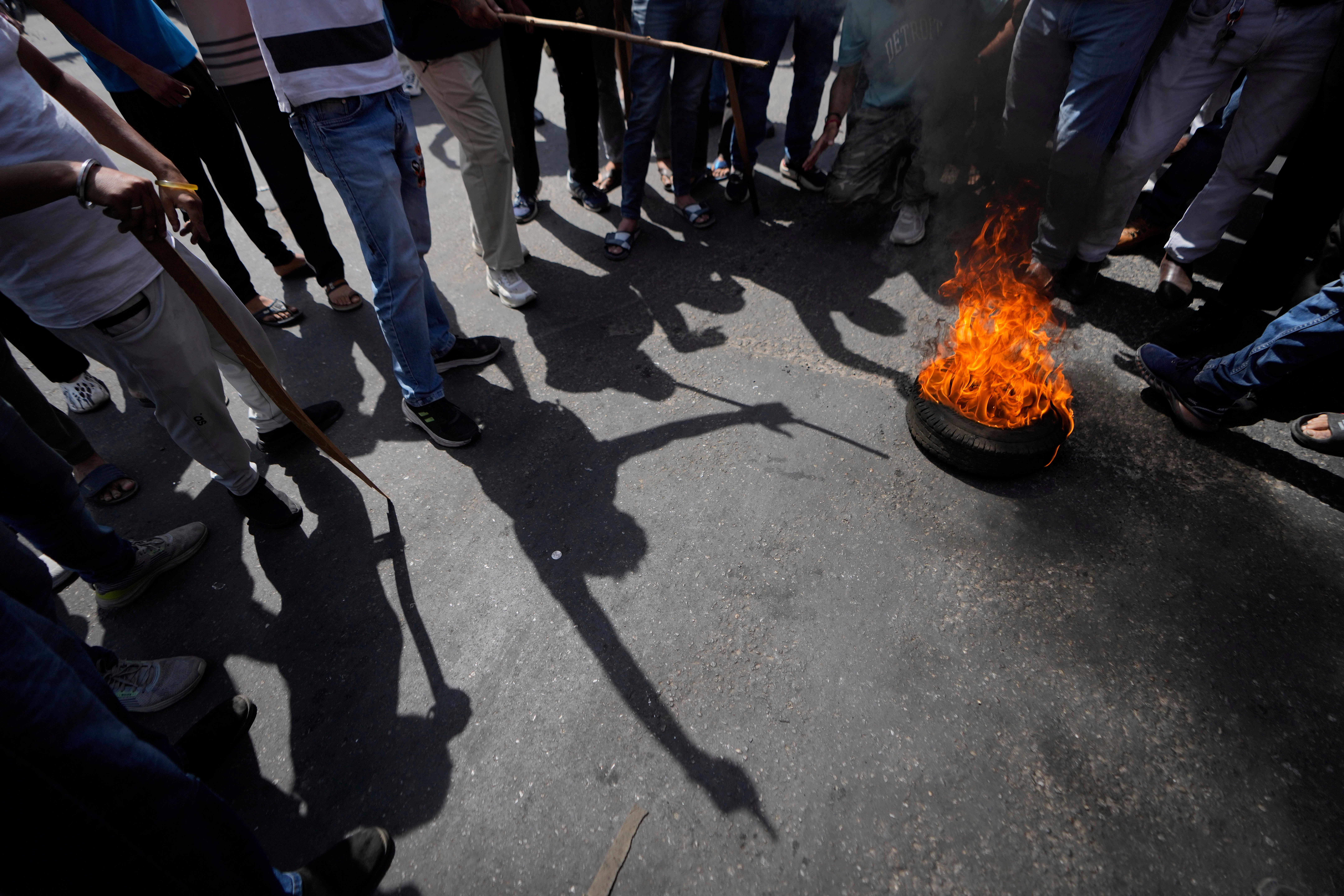
On 4 January, Naik says he was dragged barefoot through his village in Dhenkanal district, beaten with sticks, and threatened with death by a mob that accused him of carrying out religious conversions – an allegation that has been used repeatedly by the Hindu right-wing to target India’s Christian minority.
“We were worshipping in a house,” says the 35-year-old pastor, who leads an independent Protestant congregation. “We had been gathering there regularly for the past two years.”
“They pulled me outside and started beating me,” he tells The Independent. When other worshippers tried to intervene, they were also attacked, he says. Naik says one woman worshipper was struck on the head and began bleeding. As he was being assaulted, Naik says, his wife and two children pleaded with the attackers to stop.
“They said, ‘We’ll beat you also. Don’t come,’” he recalls.
The incident comes amid mounting evidence that hate speech against religious minorities in India has risen sharply in recent years, a trend rights groups say is increasingly spilling over into physical violence against Muslims and Christians.
Naik alleges his attackers were linked to the Bajrang Dal, a right-wing Hindu organisation. Police confirmed that they were investigating the mob’s “affiliations”.
The Bajrang Dal is the youth wing of India’s Vishwa Hindu Parishad (VHP), or World Hindu Council, a hardline, right-wing group known for campaigns against cow slaughter, religious conversions, and what it describes as Western cultural influence.
It operates within the wider Sangh Parivar network, led by the Rashtriya Swayamsevak Sangh (RSS), the ideological parent of the Narendra Modi’s ruling Bharatiya Janata Party (BJP). The group runs youth training camps and religious campaigns and has been linked to episodes of religious violence.
-at-the-police-station-after-getting-a-police-complaint-registered-on-13-Ja.jpeg)
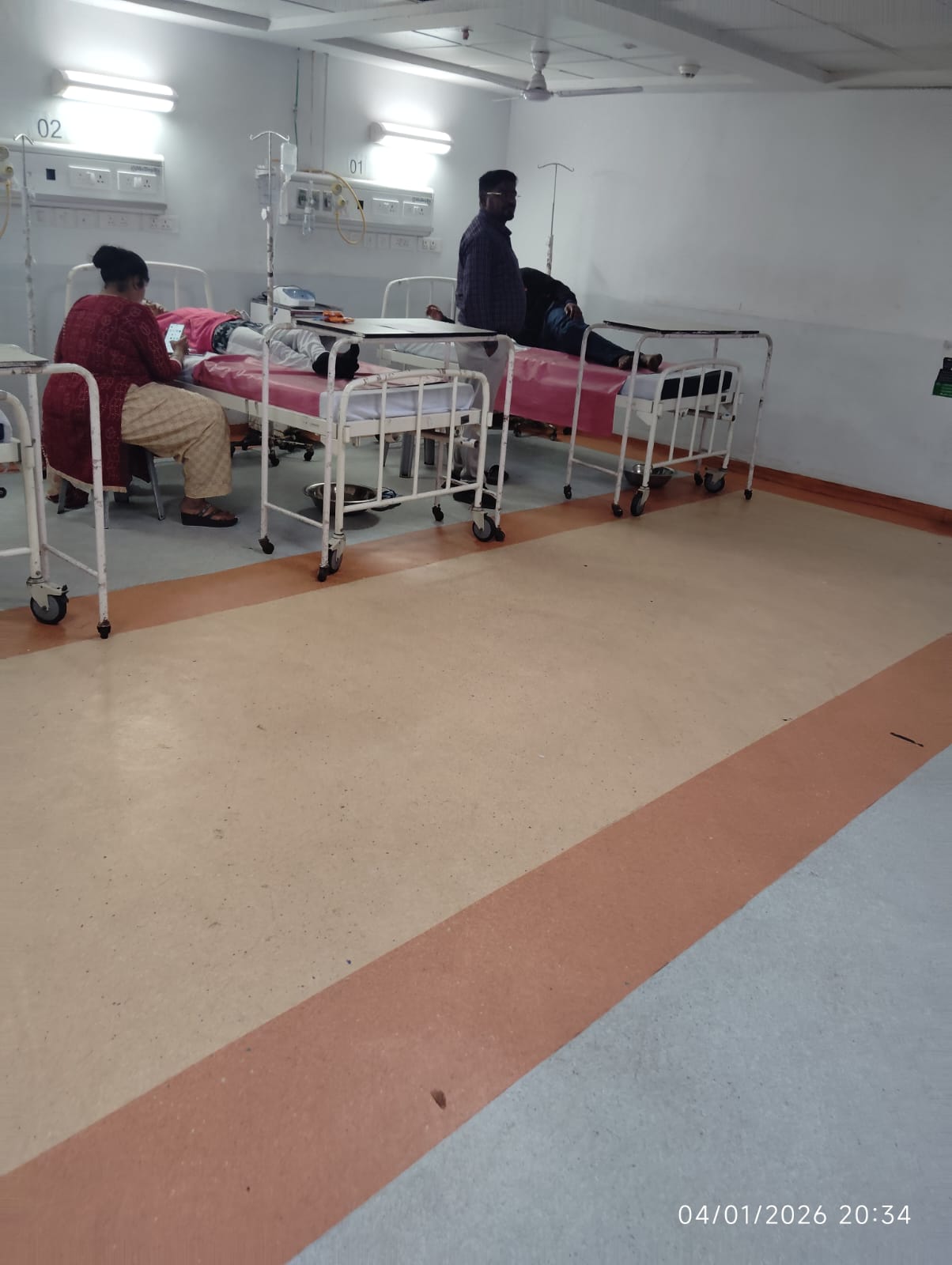
One of the people present at the house called the police shortly after the assault began, Naik says. Officers arrived within about 45 minutes but allegedly left without intervening. “They saw us and we also saw them, but again they returned back saying that we didn’t see anybody,” he says.
A senior police official for Dhenkanal district denied allegations of police inaction when approached by The Independent.
Naik says the mob then forced him to walk barefoot for about 1.5km to the centre of the village, where he was tied up and beaten repeatedly on his face, back and hands.
Naik says his attackers mixed cow dung with water in a glass used during church services and attempted to force him to drink it. Cow dung holds religious significance for many Hindus, and forcing its consumption is used as a form of humiliation.
“They questioned me, they asked me my address, they asked me everything,” he says.
He says he was later dragged to a Hanuman temple – dedicated to a Hindu deity associated with strength – and ordered to bow before the idol. When he refused, he was kicked from behind and fell to the ground. The mob, he says, demanded that he chant “Jai Shri Ram”, a religious greeting or slogan that has been increasingly co-opted as a rallying cry by Hindu nationalist groups.
“They said, ‘if you chant Jai Shri Ram, then we’ll leave you,’” Naik says. “But I remembered the verses from the Bible… that strengthened me.”
After this, he says vermilion powder was smeared on his face and a garland of slippers was placed around his neck before he was beaten again and paraded back. He says he was threatened with physical harm unless he named members of his congregation. He was allegedly also ordered to burn down the house where worship had taken place.
When police eventually came to the site after two hours accompanied by his wife, Naik says the officers took him away from the mob in a vehicle.
At the police station, Naik learned that a counter-complaint had been registered against him, accusing him of forcibly converting people. He denies the allegation.
“They were saying I’m a Bangladeshi, a foreigner,” Naik says, adding that references were made to violence against Hindus in neighbouring Bangladesh, which some attackers cited to justify the assault. “They said, we should burn him too, just like they burnt our brother in Bangladesh.” Bangladesh has recently seen unrest involving attacks on minority Hindu communities, leading to diplomatic tensions between the two South Asian neighbours.
A first information report (FIR) – the document that initiates a criminal investigation in India – was registered on 13 January following a complaint by his wife.
“At least nine people have been held in the case,” Police Superintendent Abhinav Sonkar told The Independent, adding that an investigation is underway and they are looking for other suspects.
He said the complainant did not make any mention of Naik being forced to consume cow dung when the case was filed, and that the police first heard about it from media reports. Images purporting to show Naik being force-fed dung have been shared online since the incident, bringing the case greater attention – though they have since been confirmed to be AI-generated and the person in the picture is not the pastor.
The Independent has reached out to Bajrang Dal for comment.
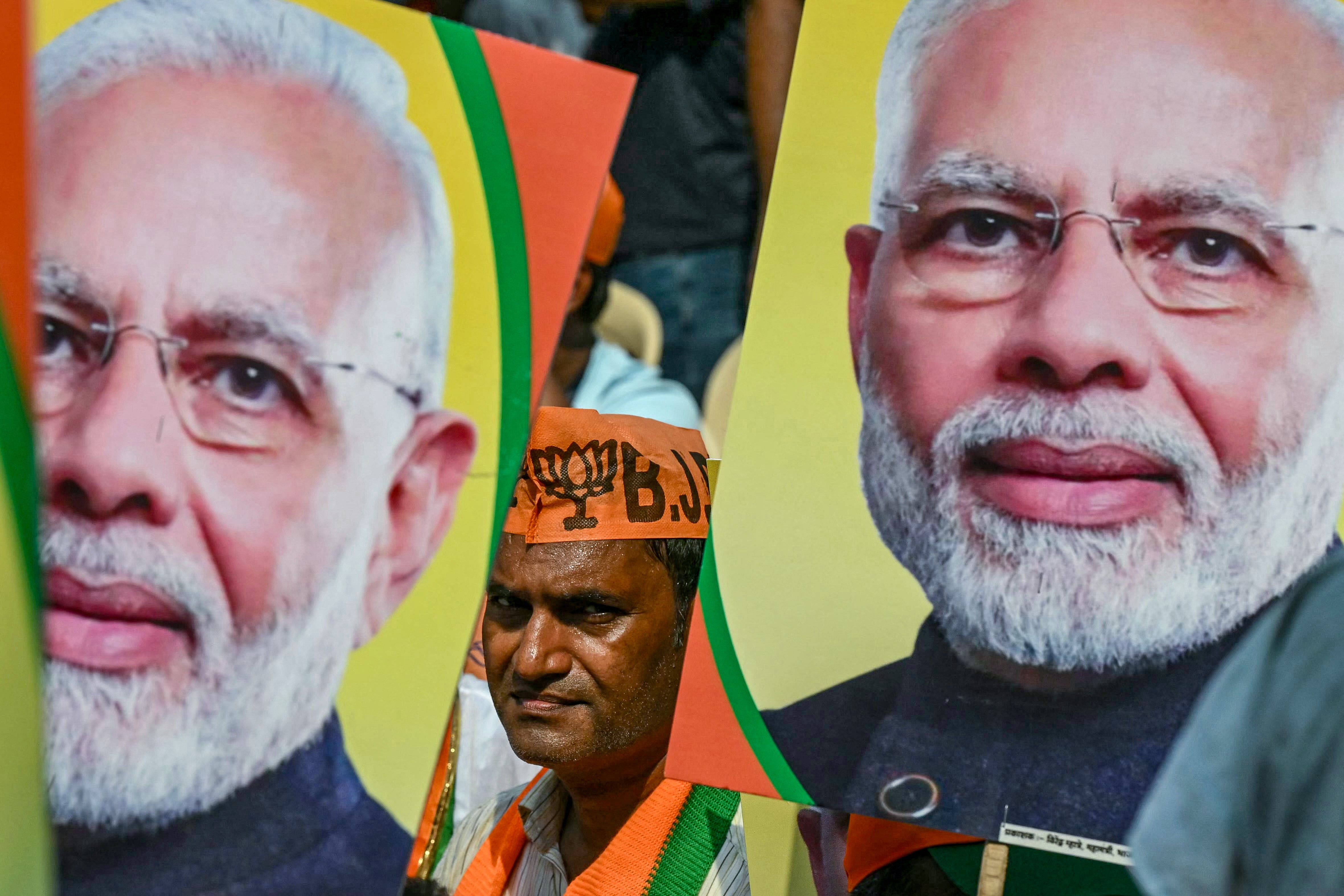
Even though India’s constitution guarantees freedom of worship, Christian leaders have repeatedly warned of increasing hostility towards the community. Rights groups say those committing hate crimes have been emboldened by the BJP’s push to introduce “anti-conversion” laws, allegations the party has denied.
According to a report by the India Hate Lab (IHL), run by the Washington DC-based Center for the Study of Organised Hate, at least 1,318 hate speech events targeting Muslims and Christians were recorded across India last year, averaging four incidents a day. This marked a 13 per cent increase on 2024 and nearly double the number documented in 2023.
The IHL report found that organised right-wing Hindu groups played a prominent role in spreading hate speech.
The Vishwa Hindu Parishad and the Bajrang Dal were linked to more than one-fifth of all documented incidents, according to the report. More than 160 organisations and informal groups were identified as organisers or co-organisers of rallies where hate speech was delivered. Neither organisation responded to a request for comment from The Independent regarding the IHL report.
Ahead of Christmas last year, Hindu vigilante groups attempted to disrupt celebrations across multiple states, with reports of churches being vandalised, prayer services interrupted, and carol singers harassed. Rights groups say these incidents reflect a broader pattern of intimidation.
Christians make up around 2.3 per cent of India’s population, yet attacks and disruptions targeting Christian worship and gatherings have risen sharply in recent years.
Politically, the incident has drawn sharp reactions. India’s opposition Congress party described the attack as a “blot on humanity” and blamed prime minister Narendra Modi’s “hateful and divisive politics”.
Odisha’s ruling Biju Janata Dal said such incidents damaged the image of what it called a peaceful state and amounted to grave human rights violations. The BJP which governs nationally, accused the opposition of politicising the case, with state media-in-charge Sujit Das saying police would act according to the law.
For Naik, the impact has been deeply personal. “For five days, I was not able to sleep due to trauma,” he said. “My family also didn’t eat properly, remembering the incident.”
He said his two daughters, who are aged 12 and 14, have stopped attending school after details of the attack spread through the village. “We are afraid to go back to that place,” he said.
Despite this, Naik says he has no intention of leaving his ministry. He said the mob had threatened to burn his family alive, but insisted he was not afraid. “I’m not scared of the people, because God is with me,” he says.

-at-the-police-station-after-getting-a-police-complaint-registered-on-13-Ja.jpeg?trim=539%2C0%2C258%2C0&width=1200&height=800&crop=1200%3A800&ssl=1&description=Christian+pastor+says+he+was+assaulted+and+fed+cow+dung+by+Hindu+mob)