


- Disney plans to make more short-form videos as part of ‘microcontent’ trend
- The videos are set to build on ESPN ‘Verts’ that show sports highlights
- Netflix is also testing a vertical video feed on mobile to inspire more engagement
Disney plans to go all-in on short-form video content as part of a growing trend that’s reshaping watching habits.
Following the rollout of vertical videos on live TV apps like ESPN, Hulu + Live TV and ABC last year, the company said during its ‘Tech & Data Showcase’ event at CES 2026 that it plans to also introduce short-form videos on Disney+ over the next year.
“We know that mobile is an incredible opportunity to turn Disney+ into a true daily destination for fans, so that’s exactly what we’re going to do,” Erin Teague, Disney+ executive VP of product management, said. “Think all of the short-form Disney content you want all in one unified app.
“Over time, we’ll evolve these experiences as we explore applications for a variety of formats, categories and content types for a dynamic feed of just what you’re interested in, from sports, news and entertainment, refreshed in real time based on your last visit.”
That implies there are a lot of different ways that short-form videos could be utilized on Disney+, from original programming to clips made up of scenes from movies and shows that can be shared on social media like Netflix’s ‘Moments’ feature.
Teague confirmed as much in an interview with Deadline, when she said that “everything’s on table” but quickly caveated that it wouldn’t introduce anything new that would disrupt the core Disney+ app experience saying, “It won’t be a kind of a disjointed, random experience.”
Disney has already rolled out vertical videos on ESPN to recap game highlights and analysis from commentators. On ABC News, it has utilized the video format to launch the daily short-form show What You Need to Know that summarizes headlines, stories and viral moments.
Even Netflix has been testing a new vertical video feed that serves up clips of its original titles as a way to inspire users to watch a movie or show. CTO Elizabeth Stone hinted that this could be expanded to house “different types of content” at TechCrunch’s Disrupt 2025 conference last year.
While she did not expand on what these “new types of content” could be, it’s clear that vertical videos are more than simply a social media tool for the best streaming services as it taps into one of the fastest growing phenomenons in the entertainment space: microdramas.
What is the microcontent trend and how will it change streaming?
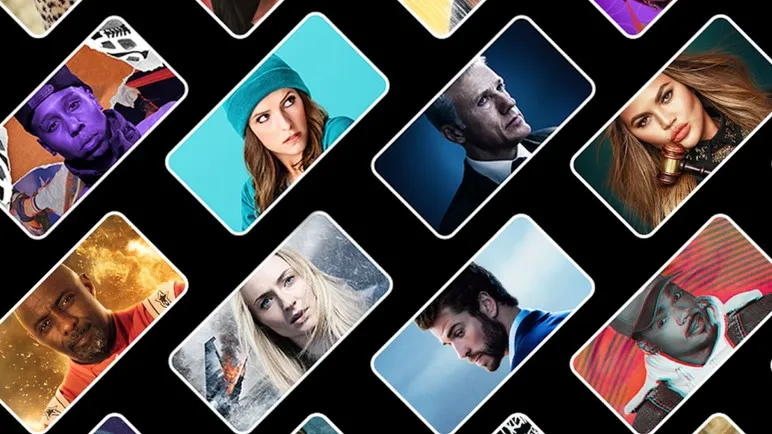
It’s no secret that the entertainment landscape is suffering a bad case of déjà vu. A barrage of price hikes, ads, company merges and live sports rights tussles have left streaming – once a bright spot that promised to disrupt the space – looking a lot like the days of cable TV.
That’s given rise to subscription fatigue, which isn’t surprising when you consider how much the average household now spends on keeping up to date with their favorite movies and shows. Indeed, one survey from Nationwide indicates that Brits are spending up to £1,200 / $1,600 / AU$2,400 a year on subscription services.
This has pushed many, particularly younger viewers, to invest in other forms of entertainment, like the best free streaming services, physical media and of course social media. So, it makes sense that some clever business brains would conjure up the idea to find a way to merge the success of Netflix with the likes of TikTok.
After all, the global microdrama industry is projected to make $26bn in annual revenues by 20230, according to research by Media Partners as seen by Variety. Vertical mini-dramas have quickly become a phenomenon in the past four years, particularly in China. Known as duanju, these serialized microdramas based on web novels are said to be as addictive as gambling.
But for anyone that doesn’t remember, this isn’t the first time that original short-form programming has been attempted at. Quibi was once an app that made short movies and shows that could be watched on the go. It didn’t last long before the streamer was shut down, though.
Does this mean that similar content made by Disney+ or Netflix will suffer a similar fate? I don’t think so. Not only because Quibi was launched at a time when people were spending less time on their phones, but it had terrible marketing and the content left little to be desired.
Today, dedicated microdrama apps like DramaBox and ReelShort are seeing growing subscribers but they still operate at a loss due to high customer acquisition costs. That wouldn’t be an issues for streaming services like Disney+ or Netflix, which already have a large number of subscribers.
Disney also has the added benefit of already having an extensive short films library that could be repurposed for the vertical format. It’s clear that it thinks it’s worthwhile investing in microdramas, but whether they continue to take off is up in the air.
Follow TechRadar on Google News and add us as a preferred source to get our expert news, reviews, and opinion in your feeds. Make sure to click the Follow button!
And of course you can also follow TechRadar on TikTok for news, reviews, unboxings in video form, and get regular updates from us on WhatsApp too.

