


Nearly 750,000 people fled Myanmar in 2017 as government forces tore through Rohingya villages, killing thousands of civilians, leaving a trail of alleged abuses and sexual violence.
Nearly a decade later, the perpetrators will finally be held accountable as the International Court of Justice (ICJ) hears a landmark case accusing the state of committing genocide.
This week, Gambia will have the chance to outline its case before Myanmar, which denies the charge and can offer its response. In an unusual move, the court will also allow witnesses to share their stories.
The proceedings are expected to set precedents that could affect South Africa’s case against Israel over the war in Gaza, as the first genocide case heard by the ICJ in more than a decade.
The Independent looks back on the Rohingya crisis and what justice the two-week trial could offer the victims.
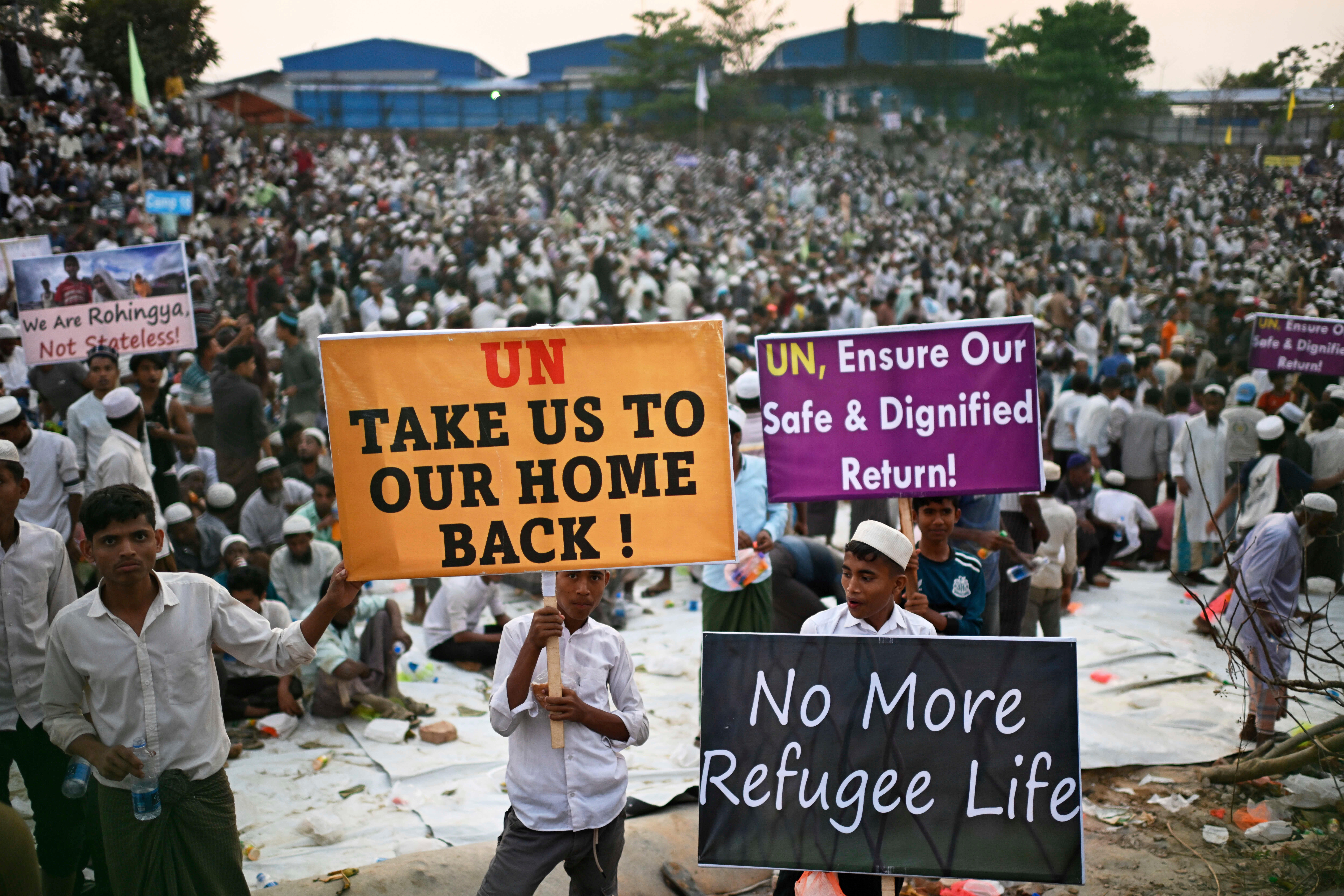
Who are the Rohingya?
The Rohingya are a self-identified minority group living in Myanmar’s Rakhine State. They claim to be the descendants of Arab traders and other groups who have lived in the area for generations. The majority are Sufi Muslims.
Today, there are some 3.5 million Rohingya people worldwide. Until 2017, around 1 million lived in the deeply impoverished Rakhine state, on the west coast.
Since the 1970s, the minority Muslim group has suffered persecution in Myanmar, where the state considers them illegal immigrants from Bangladesh. The government refuses to grant them citizenship, making them effectively stateless, unless they can prove residence prior to 1948.
They are bound by restrictions on marriage, family planning, finding work and religious freedoms. In some regions, they are limited by law on how many children they can have. They also need government approval to move house or travel outside of their towns.
Tensions with the majority Buddhists have occasionally erupted into conflict.
Activists hope that the forthcoming case may start the process of rehabilitation, holding the state accountable for its discriminatory practices.
“Seeing Gambia’s landmark case against Myanmar finally enter the merits phase delivers renewed hope to Rohingya that our decades-long suffering may finally end,” said Wai Wai Nu, founder and executive director of the Women’s Peace Network.
“Amid ongoing violations against the Rohingya, the world must stand firm in the pursuit of justice and a path toward ending impunity in Myanmar and restoring our rights.”
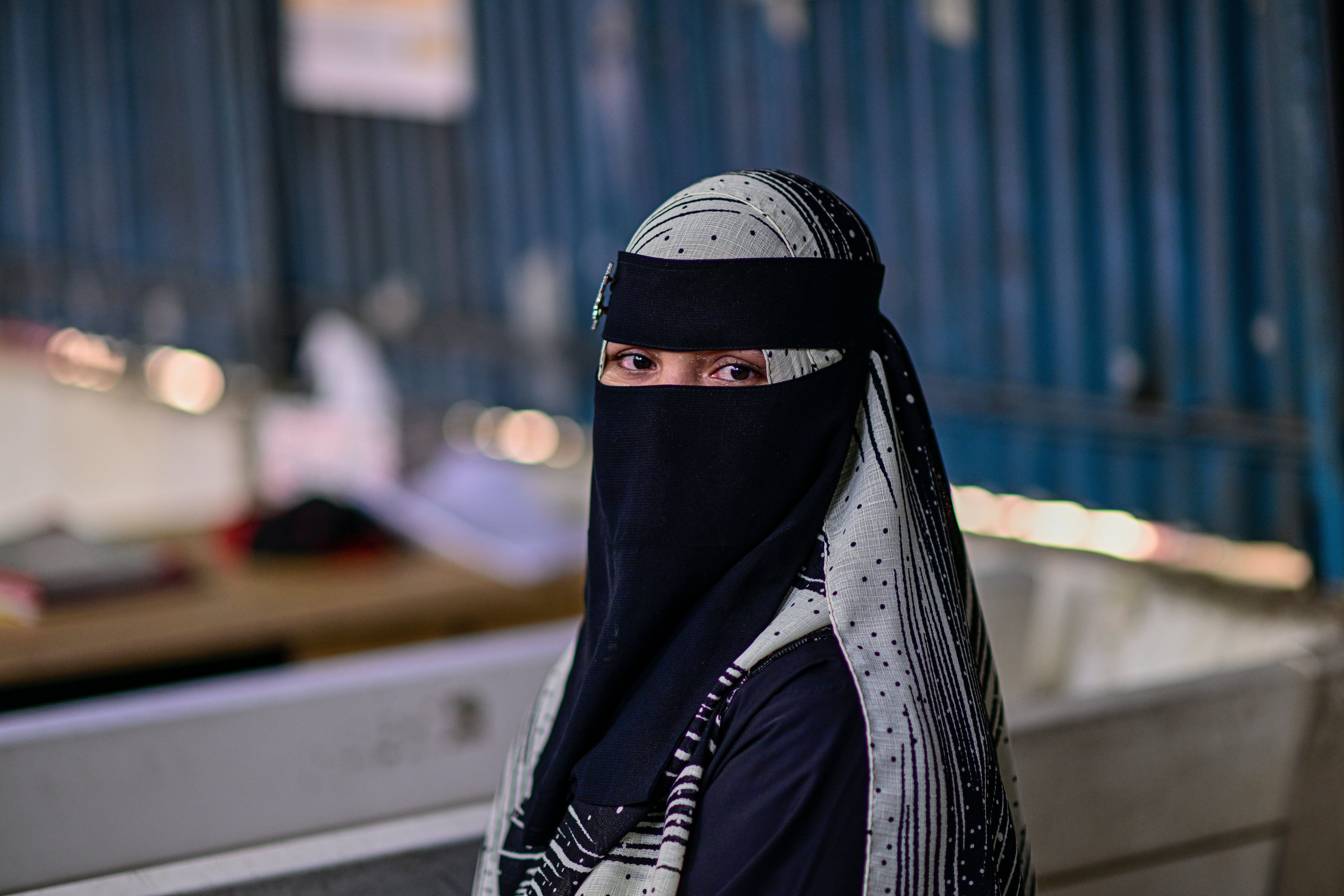
What happened in the 2017 conflict?
Tensions came to a head in August 2017 when the Arakan Rohingya Salvation Army (ARSA), a militant group of Rohingya Muslims, claimed responsibility for attacks on 30 police posts and an army base in the Maungdaw, Buthidaung and Rathedaung townships.
The government reported 104 deaths, which mostly included militants, as well as 12 security forces and some civilians. ARSA was declared a terror group and the Myanmar army began counterinsurgency measures.
During that campaign, the army was accused of razing almost 300 villages, attacking civilians deliberately, and raping and assaulting women and girls.
Troops were accused of gunning down civilians and laying landmines near the border as people sought refuge. A 2017 UN fact-finding mission found clear patterns of abuse, including sexual violence, the systematic targeting of civilians and allowing impunity for security forces.
The Myanmar government had shown “genocidal intent” against the Rohingya, they said. Myanmar denied genocide, rejecting the UN findings as “biased and flawed”, and said its crackdown was aimed at Rohingya rebels who had carried out attacks.
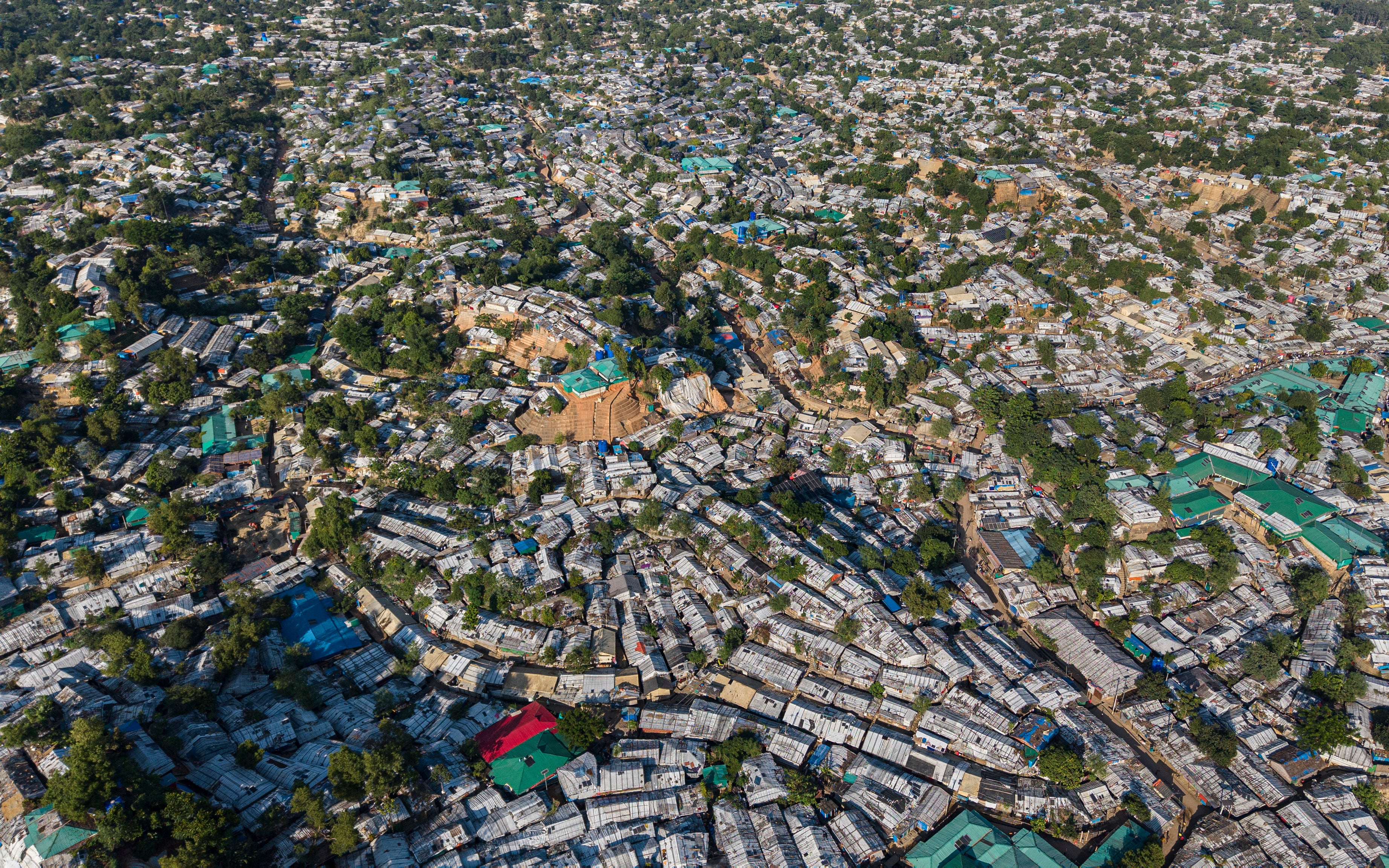
The near 1 million-strong population of Myanmar was decimated, with almost three-quarters fleeing into Bangladesh. They found only more strife once there, subjected to sustained violence from criminal and armed groups. Many were forced to return to Myanmar.
During the exodus, Myanmar reportedly started clearing abandoned villages to build new security bases, homes and infrastructure. The state said they were planning to rehome Rohingya returning to the country. Human Rights Watch said the villages should be preserved as crime scenes for the UN to review.
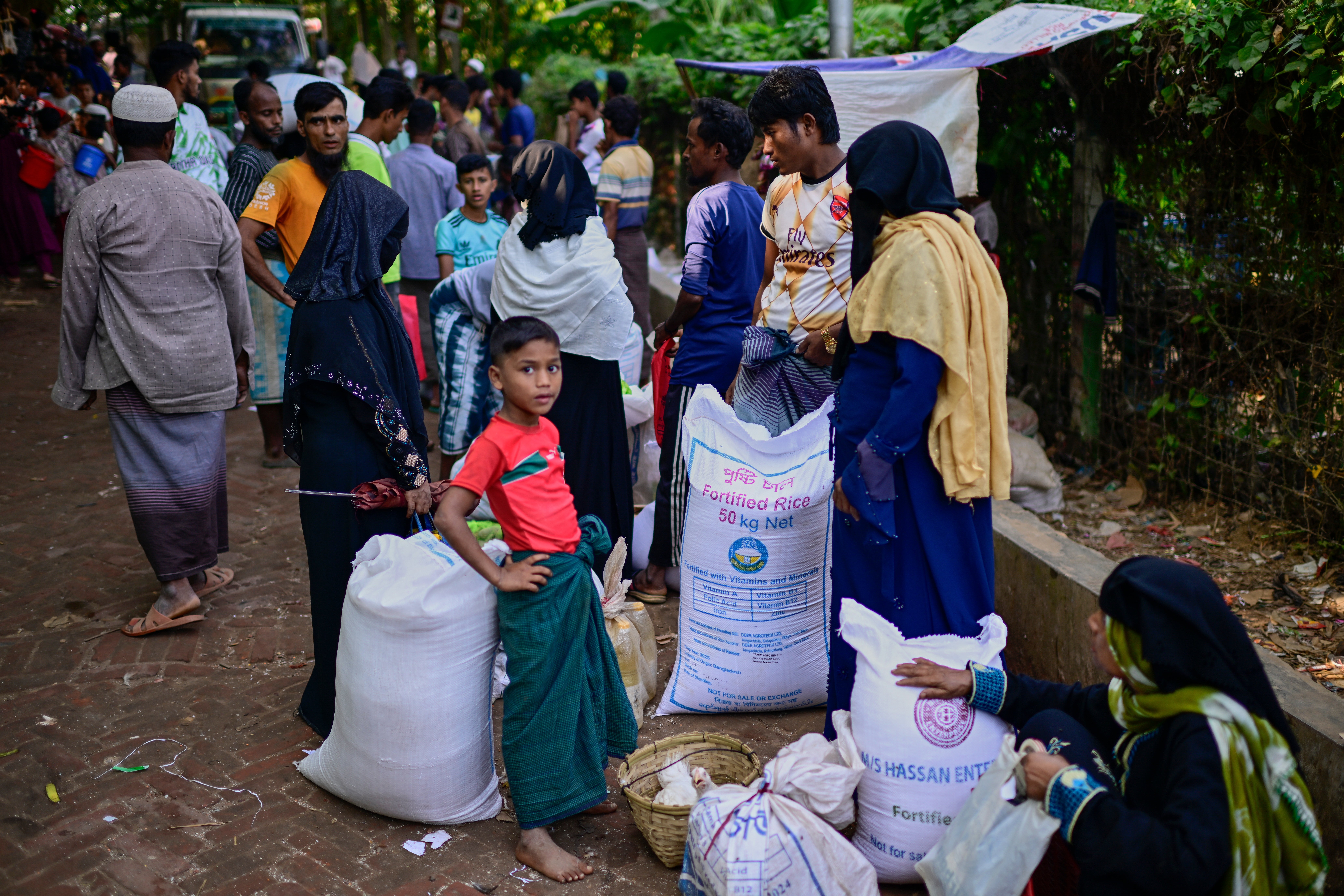
As rights groups pressured the government, foreign countries, including the US, Canada, Norway and South Korea, increased aid. Cuts to global aid in 2025 correlated with a 27 per cent rise in acute malnutrition.
Violence erupted again in late 2023, ending an unofficial ceasefire. Human Rights Watch reported that the military had carried out indiscriminate attacks on civilians with helicopter gunships, artillery and ground assaults.
The Arakan Army were alleged to have shelled, looted, and burned Rohingya neighbourhoods in spring 2024.
What are lawyers investigating?
In November 2019, Gambia filed a case before the ICJ alleging that Myanmar’s actions constituted genocide and violated the Convention on the Prevention and Punishment of the Crime of Genocide.
The case was not a criminal case against individuals, but a request to legally determine Myanmar’s responsibility for genocide as a state. Hearings were set to begin on 12 January 2026, and will run until 29 January.
Gambia will outline its case in the first week of hearings, from 12 January until 15 January. Myanmar, which has denied genocide, can present its side from 16 January to 20 January.
The ICJ has also allocated three days for hearing witnesses. These hearings will be closed to the public and media.
The findings could become important in any future genocide case, specifically as Gambia and a number of intervening states in the case, including Canada, France, Germany and the United Kingdom, have argued that genocide is not limited to only mass killings.
The intervening countries said in written filings that the court should not only focus on the number of dead to establish genocidal intent, but also look at forced displacement, crimes against children and sexual and gender-based crimes.
“Genocide does not unfold only through mass killing,” said Elise Keppler executive director of the Global Justice Center. “In Myanmar, targeted sexual and reproductive violence inflicted on Rohingya women and girls was designed to break families, threaten futures, and eliminate the possibility of survival as a group.”
In its application, Gambia indicated it would ask the court to find Myanmar in breach of obligations under the Genocide Convention, including the failure to prevent and punish genocide.
It also sought to ensure the perpetrators face trial and punishment, and that Myanmar makes reparations for the victims. That relief would include the “safe and dignified return of forcibly displaced Rohingya and respect for their full citizenship and human rights”.
While this trial will not result in individual sentences, experts say it will set a global precedent for what the world is willing to tolerate.
Zaw Win, senior human rights specialist at Fortify Rights, said: “This trial represents a significant challenge to the Myanmar junta’s grip on power and impunity.
“Impunity depends on silence, and justice begins by recognising what the Rohingya – and all people in Myanmar affected by atrocity crimes – have endured. This trial is an important step toward accountability.”

