


Christopher Nolan has always been a filmmaker obsessed with scale, time, and the human spirit, but The Odyssey represents his most ambitious journey yet. By combining groundbreaking IMAX cinematography, real-world locations, and a mythic story that has survived for thousands of years, Nolan brings Homer’s legendary tale to life with a level of physicality and immersion rarely seen in modern filmmaking. The film’s massive production, spanning multiple countries and embracing the power of large-format photography, shows Nolan once again pushing cinema beyond traditional boundaries.
Yet, after witnessing what Nolan can do with gods, monsters, warriors, and ancient legends, one question remains: why stop there? His ability to transform complex ideas into emotionally powerful spectacles deserves to explore worlds beyond epic mythology. Nolan’s unique cinematic language could redefine any genre, and these are three movies we would love to see him make after The Odyssey.
A psychological horror
ADVERTISEMENT
Article continues below this ad
Psychological horror remains one of cinema’s most fascinating genres because its greatest weapon is the subjectivity of human minds. Unlike traditional horror that depends on monsters, gore, or jump scares, psychological horror turns the human mind into the battlefield. Fear emerges from paranoia, guilt, isolation, fractured memories, and the terrifying possibility that reality itself cannot be trusted. The beauty of the genre can be seen through masterpieces like The Silence of the Lambs (1991), which builds terror through the psychological battle between Hannibal Lecter and Clarice Starling.
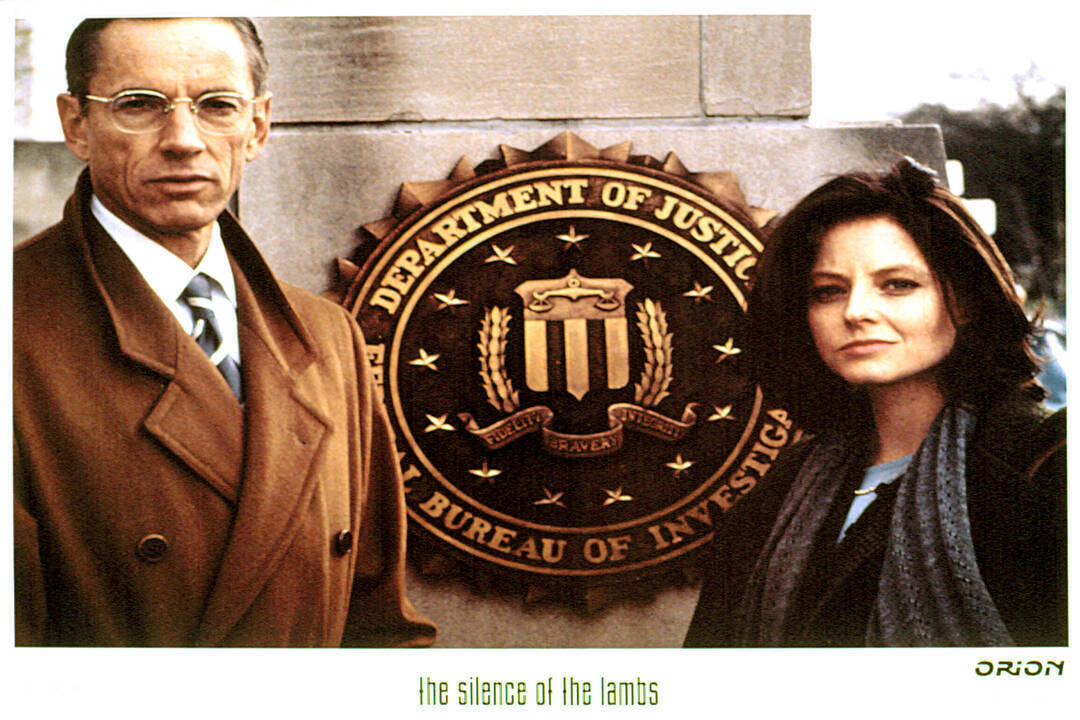
THE SILENCE OF THE LAMBS, Scott Glenn, Jodie Foster, 1991 Orion Pictures Corp
Courtesy Everett Collection !ACHTUNG AUFNAHMEDATUM GESCHÄTZT!
PUBLICATIONXNOTxINxCANxCHNxFRAxITAxJPNxNORxPOLxRUSxESPxUKxUSA
THE SILENCE OF THE LAMBS, Scott Glenn, Jodie Foster, 1991 Orion Pictures Corp
Courtesy Everett Collection !ACHTUNG AUFNAHMEDATUM GESCHÄTZT!
PUBLICATIONXNOTxINxCANxCHNxFRAxITAxJPNxNORxPOLxRUSxESPxUKxUSA
Stanley Kubrick’s The Shining (1980) creates dread through isolation, atmosphere, and unsettling spaces, while Roman Polanski’s Rosemary’s Baby (1968) transforms uncertainty and paranoia into its greatest source of horror. Although Christopher Nolan has never directed a traditional psychological horror film, many of his movies have explored the same unsettling territory. Insomnia (2002) transforms guilt and exhaustion into psychological monsters. Nolan uses harsh visuals, uncomfortable close-ups, and a suffocating atmosphere to make sleep deprivation feel like a slow descent into madness.
Memento (2000) takes that idea even further by placing the audience inside a fractured mind. The film’s greatest horror comes from questioning what is real and whether memories can be trusted. A psychological horror film, however, would give Nolan perhaps his most fascinating filmmaking challenge yet: turning the invisible fears of the human mind into something physical. Instead of relying on digital effects to create a distorted reality, Nolan could build the nightmare with real sets, mechanical environments, practical illusions, and in-camera techniques.
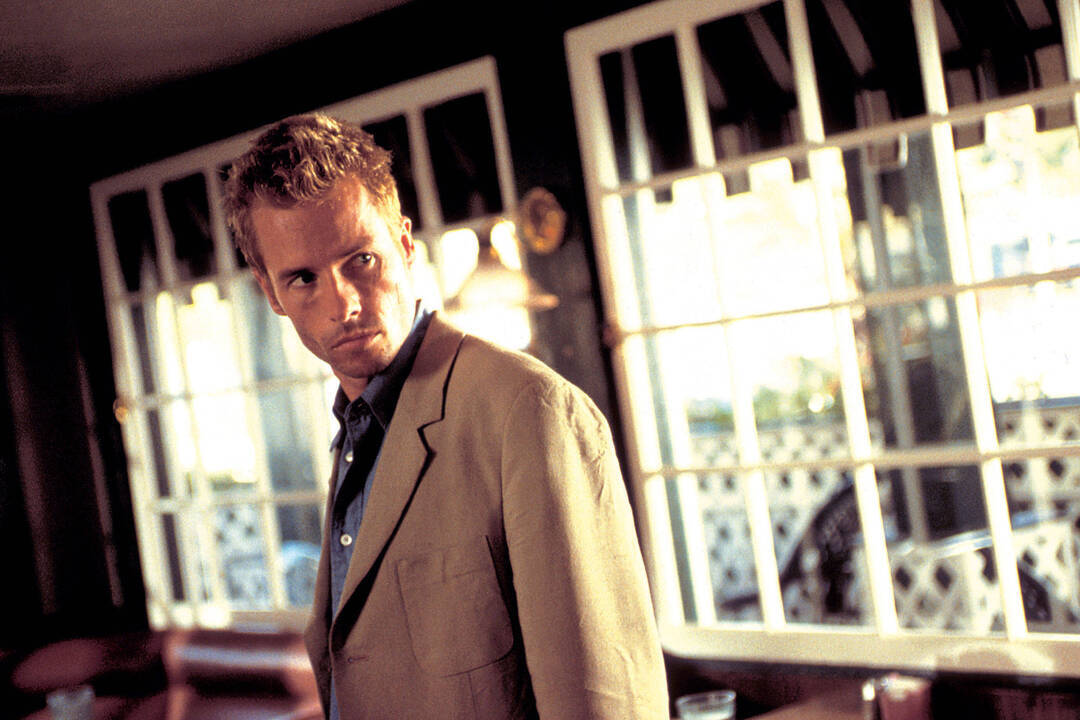
MEMENTO, Guy Pearce, 2000 Newmarket Releasing Courtesy Everett Collection
!ACHTUNG AUFNAHMEDATUM GESCHÄTZT!
PUBLICATIONXNOTxINxCANxCHNxFRAxITAxJPNxNORxPOLxRUSxESPxUKxUSA
MEMENTO, Guy Pearce, 2000 Newmarket Releasing Courtesy Everett Collection
!ACHTUNG AUFNAHMEDATUM GESCHÄTZT!
PUBLICATIONXNOTxINxCANxCHNxFRAxITAxJPNxNORxPOLxRUSxESPxUKxUSA
A character’s collapsing perception of reality could become a massive engineering puzzle, similar to the rotating hallway in Inception or the practical construction of the Tesseract in Interstellar. Shifting architecture, forced perspectives, mirrors, and carefully controlled lighting could make audiences question what they are seeing while knowing everything was created in front of the camera. That challenge perfectly fits Nolan’s creative philosophy.
Throughout his career, he has been drawn toward impossible cinematic problems, whether recreating space travel, bending time, or filming the atomic bomb test with practical methods. A psychological horror film would allow him to apply that same obsession to the most complicated subject of all: the human mind. It would result in a rare cinematic puzzle where audiences are terrified by the story while also fascinated by the craftsmanship behind every frame. Nolan would get a new creative mountain to climb, and viewers would experience a haunting exploration of fear, memory, and reality.
A sports movie/biopic
A sports biopic is a fusion of athletic spectacle and intimate character study. While sports films thrive on competition, endurance, and physical adversity, biopics illuminate the real person behind the achievements, exploring obsession, sacrifice, rivalry, and the psychological toll of greatness. The finest examples, including Rush, Ford v Ferrari, King Richard, and Raging Bull, transcend the arena to examine the human machinery behind extraordinary ambition.
This hybrid genre would be a fascinating playground for Christopher Nolan, whose filmography has always revolved around individuals consumed by impossible pursuits. An Ayrton Senna biopic would fit naturally into his cinematic language because Senna’s life was not merely about Formula 1 victories; it was an existential odyssey about obsession, transcendence, and mortality. Senna viewed racing as something almost spiritual. His legendary 1988 Monaco qualifying lap, where he described entering a state beyond conscious control, offers Nolan the perfect opportunity to explore the fragile boundary between human instinct and mechanical precision.

via Imago
Credits: imago
Instead of a conventional racing sequence, Nolan could create a sensory experience built on silence, heartbeat, breath, and fragmented perception, capturing the hypnotic intensity of a driver disappearing into the machine. The rivalry between Senna and Alain Prost would become the film’s psychological backbone: two geniuses locked in a cerebral duel, representing instinct versus calculation. Much like The Prestige, their battle would explore how brilliance can become both a gift and a consuming force.
Nolan’s nonlinear storytelling could transform Senna’s final 1994 Imola weekend into a ticking-clock narrative, weaving through childhood, championship battles, and his complicated relationship with speed and danger. His obsession with practical filmmaking would make Formula 1 the ultimate technical canvas, using real cars, physical cameras, and visceral cinematography to capture the brutal elegance of racing. For Nolan, Senna’s story would be more than a sports film. It would be a cinematic exploration of ambition, destiny, and the terrifying price of chasing perfection.
A Western
Christopher Nolan is definitely open to making a Western, but he has always followed one specific rule when choosing genres. He does not pursue a genre simply to complete a checklist. For Nolan, the genre is only the outer shell; the story itself needs to contain a powerful narrative engine that feels impossible to ignore. If a Western arrives with the right psychological depth, thematic complexity, and cinematic challenge, it could easily capture his imagination.
Interestingly, Nolan has already embraced the visual grammar of the Western throughout his career. He has noted that filmmakers working with large-format widescreen photography are naturally drawing from the language established by classic Western directors. The sweeping horizons, isolated figures against overwhelming landscapes, and quiet tension before explosive action are elements that have appeared throughout The Dark Knight, Dunkirk, and Oppenheimer. A Western, however, would give Nolan the ultimate canvas: a genre where the landscape itself becomes a character. The desert is not merely a backdrop; it is an unforgiving force that shapes morality, survival, and human conflict.
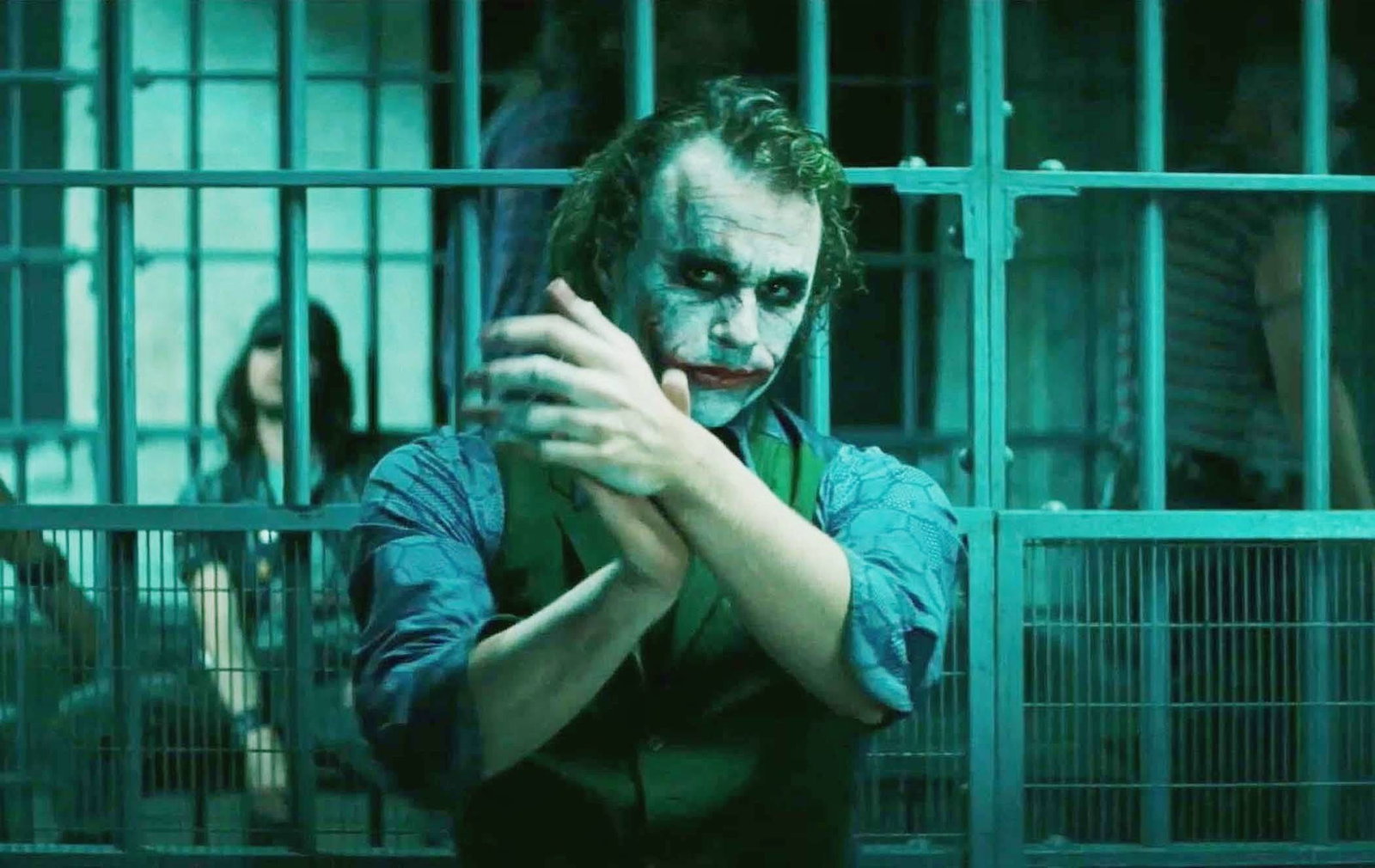
2009 WINNER – 66th Golden Globe Award – Best Performance by an Actor In A
Supporting Role in a Motion Picture Heath Ledger in The Dark Knight. RELEASE
DATE: July 18, 2008. MOVIE TITLE: The Dark Knight – STUDIO: DC Comics and
Legendary Pictures PLOT: Batman and James Gordon join forces with Gotham s new
District Attorney, Harvey Dent, to take on a psychotic bank robber known as The
Joker, whilst other forces plot against them, and Joker s crimes grow more and
more deadly. PICTURED: HEATH LEDGER as the Joker. – ZUMAz03_
2009 WINNER – 66th Golden Globe Award – Best Performance by an Actor In A
Supporting Role in a Motion Picture Heath Ledger in The Dark Knight. RELEASE
DATE: July 18, 2008. MOVIE TITLE: The Dark Knight – STUDIO: DC Comics and
Legendary Pictures PLOT: Batman and James Gordon join forces with Gotham s new
District Attorney, Harvey Dent, to take on a psychotic bank robber known as The
Joker, whilst other forces plot against them, and Joker s crimes grow more and
more deadly. PICTURED: HEATH LEDGER as the Joker. – ZUMAz03_
Films like Sergio Leone’s The Good, the Bad and the Ugly showcase the hypnotic power of the Western landscape, contrasting intense close-ups of weathered faces with vast desert horizons. That balance between human fragility and overwhelming nature mirrors Nolan’s IMAX approach, where a 70mm Western could transform landscapes into a powerful cinematic force. Clint Eastwood’s Unforgiven offers another side of the genre with its bleak, textured realism. Its muddy streets, wooden interiors, and harsh environments create a world built on survival, matching Nolan’s love for tactile filmmaking.
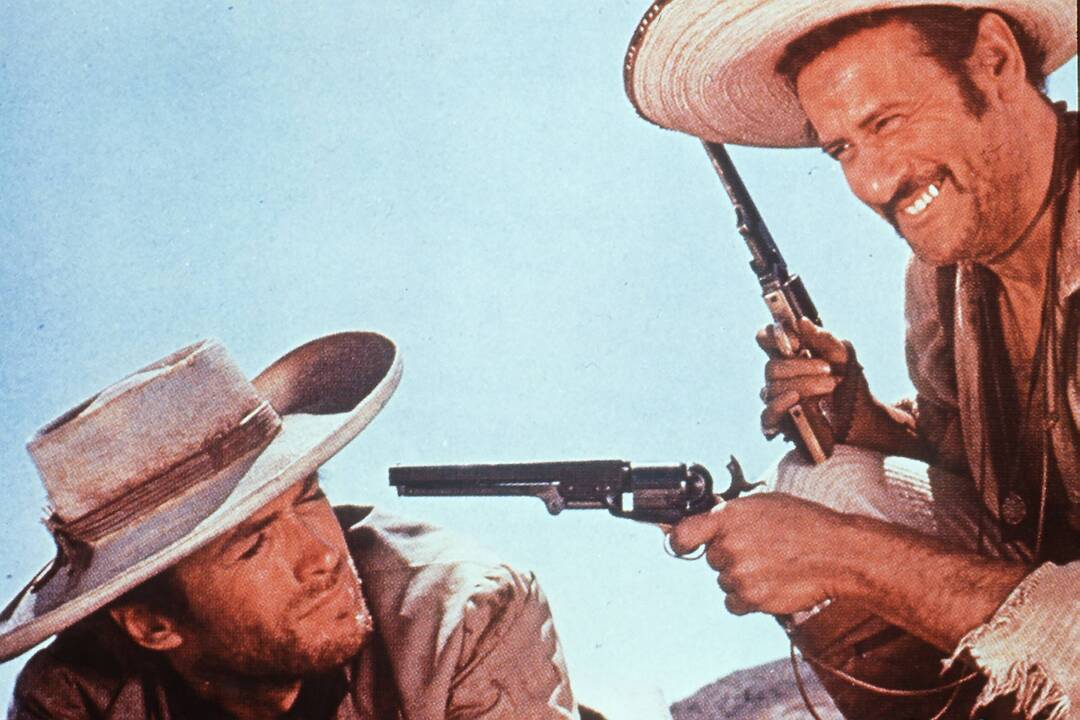
ZWEI GLORREICHE HALUNKEN Il Buono, Il Brutto, Il Cattivo – The Good, The Bad,
The Ugly Joe (CLINT EASTWOOD) und Tuco (ELI WALLACH) sind auf der fieberhaften
Suche nach einer Regimentskasse mit 200 000 Golddollar Inhalt… Regie: Sergio
Leone aka. Il Buono, Il Brutto, Il Cattivo ZWEI GLORREICHE HALUNKEN ITL1966
ZWEI GLORREICHE HALUNKEN Il Buono, Il Brutto, Il Cattivo – The Good, The Bad,
The Ugly Joe (CLINT EASTWOOD) und Tuco (ELI WALLACH) sind auf der fieberhaften
Suche nach einer Regimentskasse mit 200 000 Golddollar Inhalt… Regie: Sergio
Leone aka. Il Buono, Il Brutto, Il Cattivo ZWEI GLORREICHE HALUNKEN ITL1966
A CGI-free Western would also be a dream playground for Nolan’s practical filmmaking philosophy. Instead of digitally creating landscapes, dust storms, or action sequences, he would likely embrace the physical world: shooting in real deserts, waiting for the exact golden-hour light to transform canyon walls, and capturing natural textures entirely in-camera. The action would carry the same philosophy. Horse chases, gunfights, and stagecoach sequences would not feel like polished digital spectacles but raw physical experiences.
ADVERTISEMENT
Article continues below this ad
Cameras mounted onto moving vehicles could capture the violent rhythm of uneven terrain, the chaos of dust filling the air, and the dangerous speed of the Old West. The Western remains one of cinema’s purest forms because it combines vast scale with intimate human conflict. For Nolan, it would be more than a cowboy story. It would be an opportunity to explore isolation, fate, survival, and moral ambiguity while working within a genre that perfectly matches his love for practical craftsmanship. All he would need is the right story waiting somewhere beyond that endless, dusty horizon.
With The Odyssey ruling cinemas through Christopher Nolan’s unparalleled cinematic vision and breathtaking craftsmanship, these three genres reveal why he remains one of modern cinema’s most ambitious filmmakers. Whether exploring a psychological nightmare, capturing the intensity of Formula 1, or crafting a dust-covered Western, Nolan would approach each as a practical cinematic puzzle. His ability to transform abstract ideas into tactile, large-scale experiences proves that any genre can become a playground for his unique storytelling language.
ADVERTISEMENT
Article continues below this ad
What genre would you love to see Christopher Nolan explore next? Let us know in the comments.

