


Lululemon has apologised after a promotional event at the Great Wall drew widespread criticism from social media users who said that a performance intended to celebrate Chinese culture should not have featured a Japanese taiko drum.
The Canadian sportswear company held a yoga festival at the Huanghuacheng Water Great Wall in Beijing on 30 May, gathering more than 2,000 people for a day-long programme of yoga, meditation, and cultural performances, according to Global Times. The event marked Lululemon’s 10th anniversary in mainland China and launched the company’s 2026 yoga festival series.
Among the participants was Chinese actor Zhu Yilong, a Lululemon brand ambassador known for roles in television dramas like Guardian and The Story of Minglan, and the 2022 film Lighting Up the Stars. During the event, Zhu took part in a drumming segment with the HiiKo Drum Group, performing on what was billed as a traditional Chinese drum known as dagu.
The performance drew scrutiny after a video of it appeared online. Musicians and social media users alike questioned whether the instrument used was actually Chinese. Many noted that its design and method of performance more closely matched a Japanese taiko drum.
Chinese percussionist Xu Yang posted a video analysis on Weibo last week concluding that the drum’s structure, the staging of the performance, and the artistic style all aligned more closely with Japanese taiko traditions than with Chinese drumming.
“They should never be confused,” Xu said, according to CNN.
He also argued that presenting a taiko-style performance as Chinese culture at the Great Wall, one of the country’s most recognisable symbols, was not only misleading to the public but could also “stir up historical memories”, Channel News Asia reported.
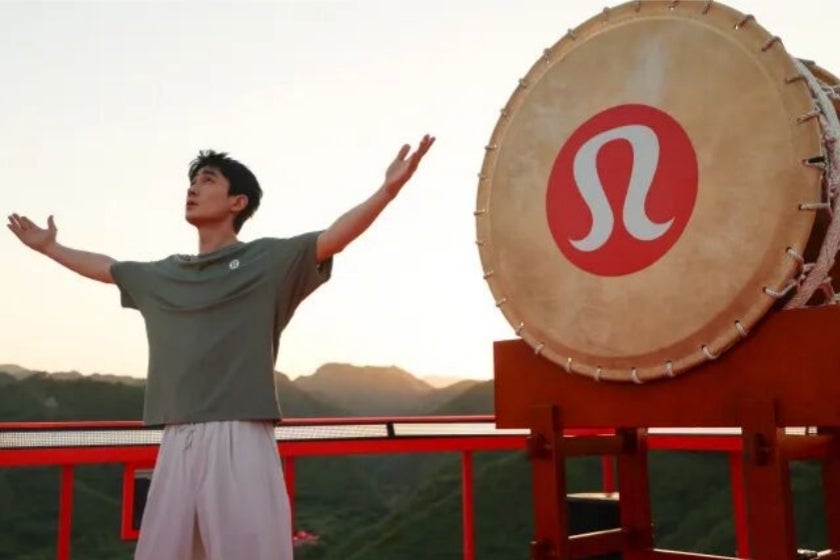
Taiko is a Japanese term for drum. Outside Japan, it typically refers to large barrel-shaped drums used in highly physical ensemble performances marked by powerful strikes and choreographed movements. According to historians, early Japanese drum traditions were influenced by instruments brought from China and Korea centuries ago, although taiko subsequently evolved into a recognisable performance style.
Some Weibo users said the use of what they believed to be a Japanese drum at the Great Wall evoked memories of Japanese imperial aggression and wartime atrocities, making the performance especially provocative.
Imperial Japan occupied China between 1931 and 1945 and its army committed numerous atrocities, including the Nanjing massacre.
A discussion of the controversy on Weibo had drawn more than 50 million views by Monday.
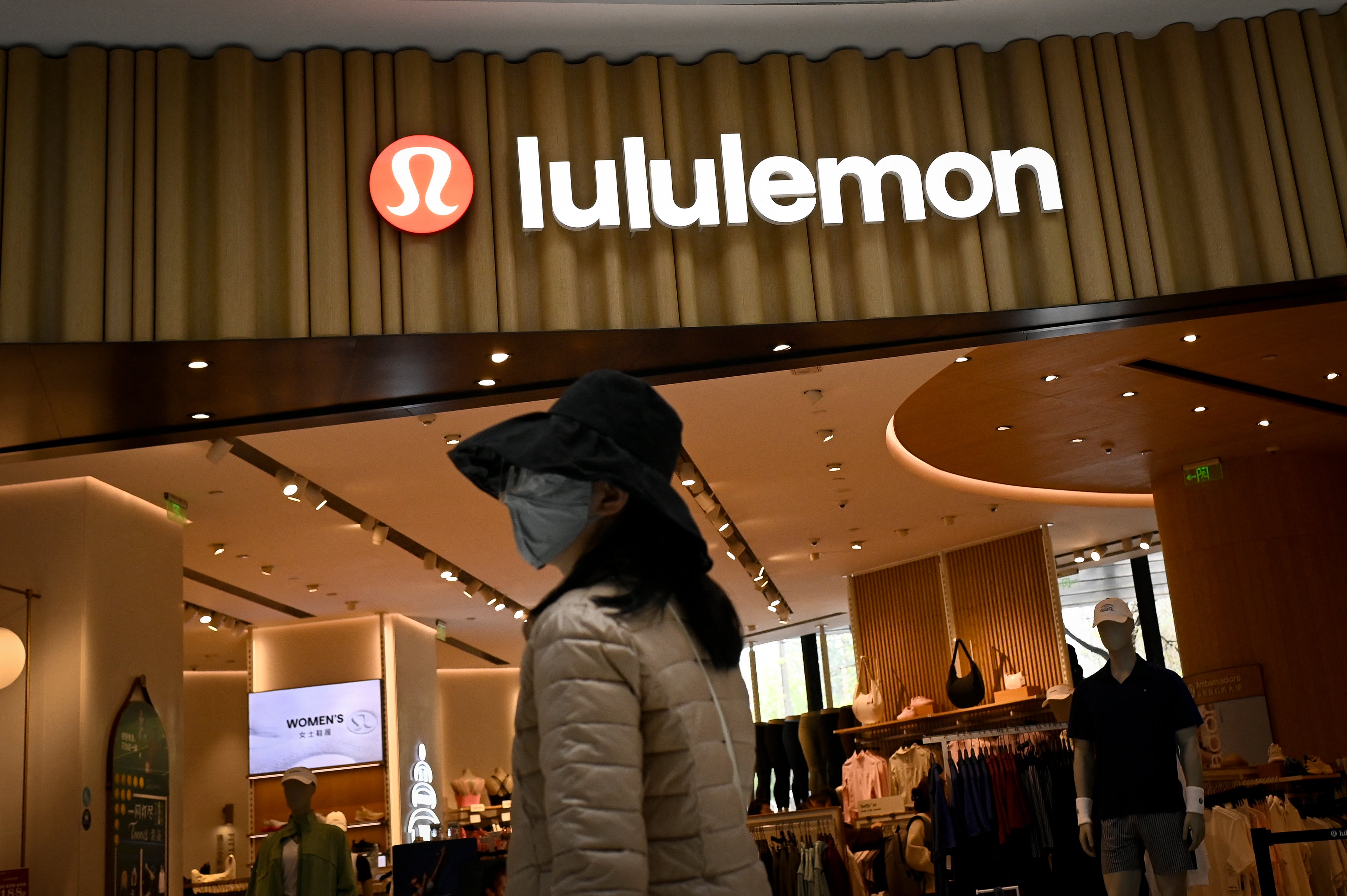
In response to the backlash, Lululemon issued a public apology on Tuesday. The event was held to pay tribute to Chinese culture, it said on Weibo, “but due to limitations in our professional knowledge, we failed to fully identify potential disputes early”.
The company “fully recognised that we ought to have planned and reviewed the percussion performance with more caution and thoroughness”.
It apologised to the public as well as to Zhu and confirmed that all promotional content related to the event had been removed from its website and social media properties.
Zhu’s studio later issued a statement saying it had urged Lululemon to review the entire process behind the performance. The actor and his team had “always been committed to promoting traditional Chinese culture”, the statement said, adding that future work would be handled with greater care.
The HiiKo Drum Group also apologised, saying it had suspended use of the disputed drum and removed related promotional material.
The backlash reflects the intense scrutiny global brands face in China, where cultural symbolism, national identity and historical memory can quickly become flashpoints. Perceived missteps have repeatedly triggered public outrage. A Dolce & Gabbana advertising campaign in 2018 was widely criticised as racist and patronising for depicting a Chinese model struggling to eat Italian food with chopsticks. Coach, Versace and Givenchy had to issue apologies in 2019 over products accused of implying that Taiwan or Hong Kong were separate from China.
In September 2025, Arc’teryx faced backlash after a promotional campaign with artist Cai Guoqiang featured fireworks at the foot of the Himalayas in Tibet, drawing criticism over environmental impact and the use of a politically sensitive location.
Earlier this year, French label Lemaire apologised after campaign imagery featuring braided hair drew allegations from Chinese social media users that it evoked Qing-dynasty queue hairstyles, which many associated with historical humiliation and forced assimilation under Manchu rule.
