

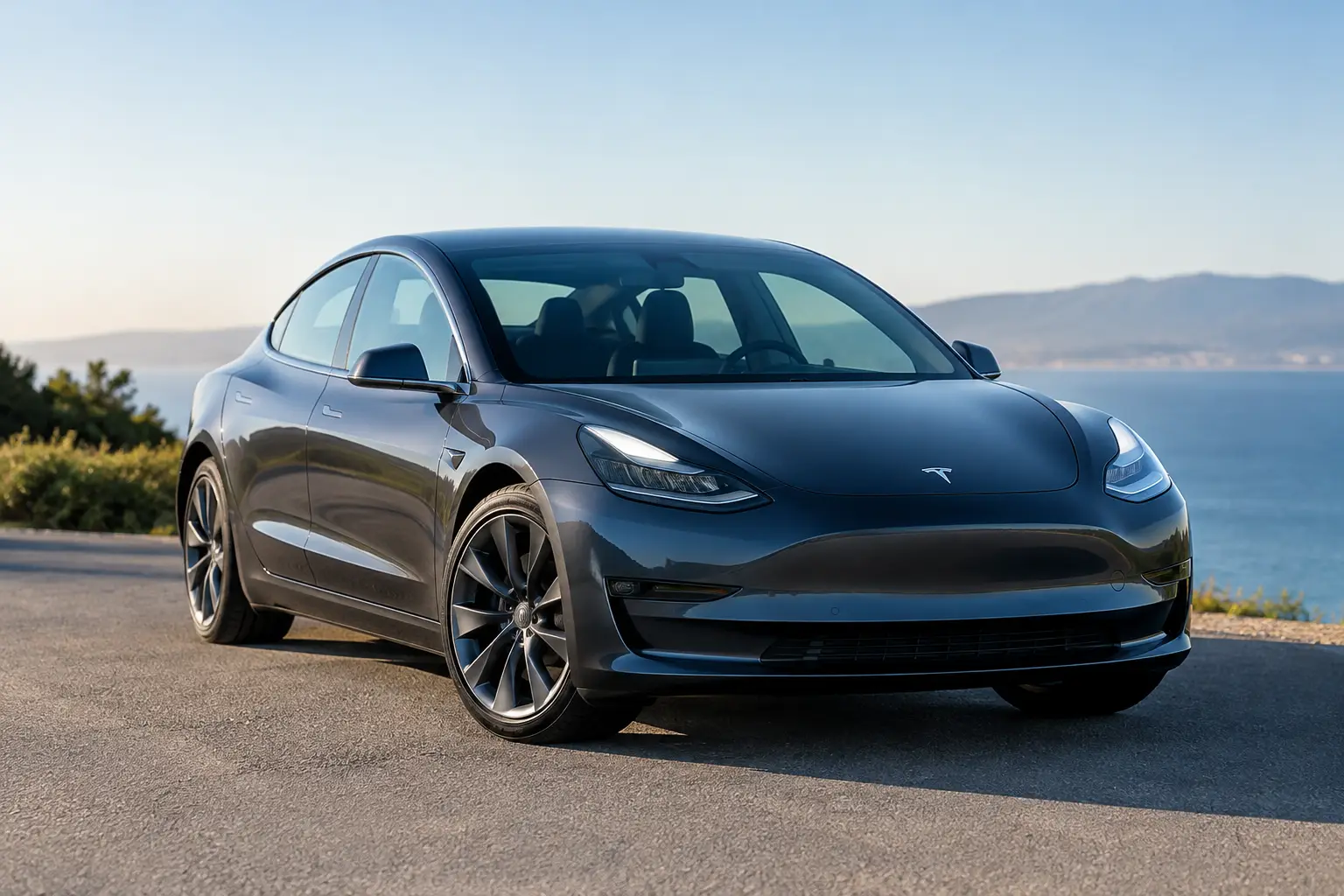
A Tesla Model 3 review can easily become a debate about the huge touchscreen, Elon Musk headlines or whether every new car should be an SUV. But for a UK driver who wants an electric car that is quick, efficient and easy to live with, the key question is simpler: does this saloon still make everyday motoring feel easier than its rivals?
For many buyers, the answer is yes. The Model 3 remains one of the most convincing EVs on sale, particularly if you regularly cover motorway miles or cannot charge at home every night. It is not perfect, though. The minimalist cabin asks you to change familiar habits, and the ride, ownership experience and insurance costs deserve proper consideration before you commit.
Tesla Model 3 review: the headline verdict
The Model 3’s biggest strength is that it makes electric driving feel normal very quickly. It is compact enough for a supermarket car park, has the punch to join fast motorway traffic without fuss, and delivers strong real-world efficiency compared with many similarly priced electric cars.
Tesla’s charging network is still a major advantage. Public charging in Britain has improved rapidly, but it can remain patchy depending on where you live and travel. Knowing that Tesla’s Supercharger sites are generally straightforward to find and use removes a fair amount of long-distance EV anxiety.
The trade-off is character. This is a car designed around software and screen controls rather than buttons, dials and conventional luxury. If you enjoy clean design and like setting things up from your phone, it feels modern. If you want a traditional cockpit with physical climate controls and a dashboard display in front of the steering wheel, it may irritate you every day.
Design and cabin: cleaner, quieter, more divisive
The latest Model 3 has a sharper front end than earlier versions, giving the low-slung body a more focused look. It still turns heads less than it once did because there are now Teslas everywhere, but it remains smart and purposeful without being showy.
Inside, the upgrade over older Model 3s is noticeable. Materials feel more polished, cabin noise has been reduced, and features such as ventilated front seats make the car more pleasant on a warm day. The glass roof keeps the interior bright, although taller rear passengers may find headroom merely adequate rather than generous.
The 15.4-inch central screen controls nearly everything. Navigation, charging information, music and reversing functions are clear and responsive. Tesla’s route planner is particularly useful: enter a destination and it can suggest charging stops while preparing the battery for faster charging on arrival.
Yet the screen-first approach is not universally clever. Adjusting the windscreen wipers or opening the glovebox through menus can feel needlessly indirect. There is no Apple CarPlay or Android Auto, either, so buyers tied to those systems should test Tesla’s own interface carefully. The built-in software is capable, but capability is not the same as familiarity.
Is it practical enough for a family?
The Model 3 is a saloon rather than a hatchback, so the boot opening is narrower than the aperture of an EV SUV. A weekly shop, cabin luggage and a pushchair can fit, but loading bulky items is less convenient than in a Tesla Model Y, Kia EV6 or Skoda Enyaq.
There is useful extra storage under the boot floor and in the front boot, often called the frunk. Rear-seat space is fine for children and average-sized adults, but families doing frequent long trips with three people across the back should try before buying. ISOFIX mounting points are available on the outer rear seats.
Range, charging and running costs
Range is where the Model 3 continues to look strong. Exact official figures depend on the battery, wheels and version chosen, and Tesla can update specifications during a model year. In broad terms, the rear-wheel-drive car suits commuters and local drivers, while the Long Range model is the better option for people who often take longer motorway journeys.
Real-world range always changes with speed, temperature, rain, heating and driving style. A car that returns an impressive figure around town will cover less distance at a steady 70mph in January. The encouraging part is the Model 3’s efficiency: it tends to use less electricity than many heavier electric crossovers, helping stretch both range and your charging budget.
At home, an overnight charge on a dedicated wallbox is the easiest and usually cheapest way to run it. Drivers on an off-peak electricity tariff can see a meaningful saving against petrol, especially if most charging happens overnight. Those who rely mostly on rapid public chargers should do the maths more carefully, as high-speed charging can cost far more per mile.
Tesla says the Model 3 can charge at very high speeds on compatible rapid chargers, but peak figures only tell part of the story. What matters on a trip is how quickly the battery gains usable miles between roughly 10 and 80 per cent. The Model 3 performs well here, and its integrated charging plan makes stops feel organised rather than stressful.
How does the Model 3 drive on British roads?
Quick is the default setting. Even the entry-level Model 3 has the instant response that makes electric cars enjoyable in urban traffic, while the Long Range and Performance versions are seriously rapid. Overtaking is effortless and the low battery placement gives the car a planted, secure feel through bends.
The steering is direct and the body stays controlled, so it feels more agile than many tall electric SUVs. On a smooth road, it can be a genuinely engaging car to drive. The stronger regenerative braking also allows relaxed one-pedal driving once you have adapted to it.
Comfort has improved, but expectations matter. The suspension copes better than earlier Model 3s, yet broken British B-roads can still send sharper bumps into the cabin, particularly on larger alloy wheels. A test drive over roads you use regularly matters more than a short, polished route around a dealership.
Road and wind noise are now better managed at motorway speeds, though tyre roar remains noticeable on coarse surfaces. That is not unusual for an EV, as the quiet drivetrain makes other sounds easier to hear.
The ownership questions buyers should ask
Tesla ownership is refreshingly simple in some ways. There are no oil changes, and brake wear can be low because regenerative braking does much of the slowing. Software updates can add features or improve functions without a garage visit, which still feels ahead of much of the mainstream market.
However, it is worth checking insurance quotes before ordering. Premiums for electric cars can be higher than expected, partly because battery and body repairs can be costly. Get quotes using the exact registration or specification where possible, rather than assuming an EV will automatically be cheaper to insure.
Servicing is less conventional, too. Tesla does not work like a traditional dealer network, and support experiences can vary by location and issue. The mobile service option can be convenient for minor work, but drivers who value a familiar local dealership relationship may prefer brands with a larger established network.
Depreciation also deserves attention. EV prices have moved quickly in recent years, and Tesla has changed new-car pricing more often than many rivals. Buying used can offer excellent value, while leasing may appeal to drivers who want predictable monthly costs and less exposure to future resale values.
Which Model 3 should you choose?
The rear-wheel-drive version is the sensible pick for drivers with home charging, mostly local journeys and a tighter budget. It delivers the core Tesla experience without spending extra for range you may rarely use.
The Long Range version is easier to recommend for frequent motorway drivers, households with one car or anyone who wants more breathing room in winter. Its additional range does not eliminate charging stops, but it makes journey planning more flexible.
The Performance model is for buyers who genuinely want sports-car pace in a compact electric saloon. It is thrilling, but the firmer setup, pricier tyres and higher purchase cost mean it is not automatically the best everyday choice.
The Model 3 remains one of the clearest choices in the EV market because its strengths matter on ordinary days, not just on a spec sheet. Before placing an order, price up charging, insurance and the version that fits your real journeys – then spend time in the cabin and decide whether Tesla’s screen-led way of doing things feels refreshingly simple or simply not for you.

