

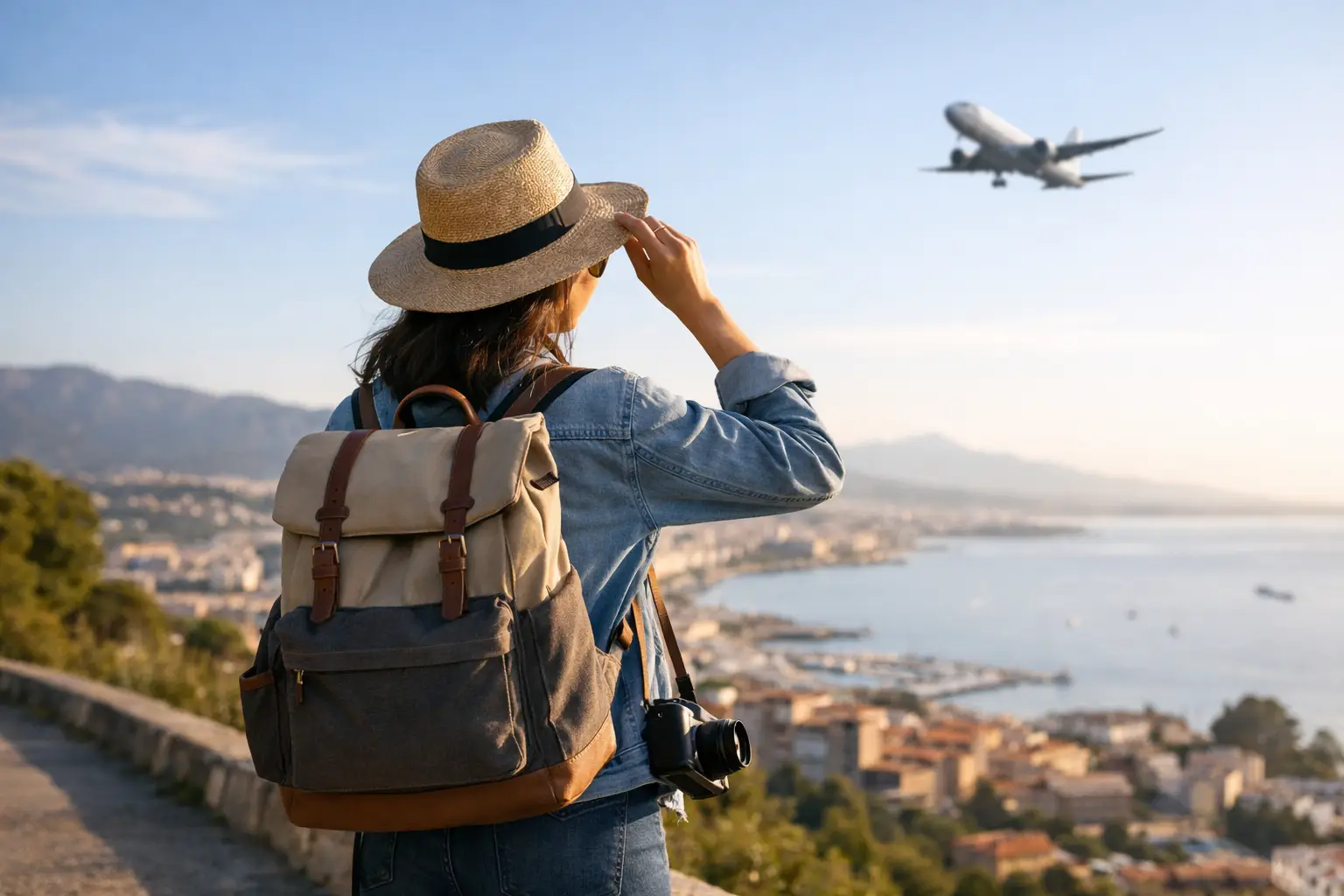
The first meal alone can feel bigger than the flight. You are sat at a table, phone in hand, wondering whether everyone has noticed you have no companion. The truth is that almost nobody has. A beginner guide to solo travel starts with that useful reality: being alone is not the same as being out of place.
Solo travel can be freeing, cheaper than coordinating a group, and surprisingly confidence-building. It can also be tiring, occasionally lonely and less forgiving when plans go wrong. The goal is not to become the sort of person who loves every minute alone. It is to plan a trip with enough structure to feel safe, while leaving room for the best part of travelling independently – choosing what happens next.
Choose an easy first solo trip
Your first destination does not need to be a dramatic, far-flung challenge. A city with reliable public transport, plenty of accommodation options and a language you can manage makes a strong starting point. Think Edinburgh, Dublin, Amsterdam, Copenhagen or a well-reviewed UK city break rather than an itinerary involving multiple night buses and remote border crossings.
A short trip is often smarter than a two-week holiday. Two or three nights lets you test what you enjoy: quiet mornings in cafés, packed museum days, guided food tours or simply wandering without negotiating anyone else’s schedule. If you love it, you can book a longer adventure next time. If you find it more emotionally demanding than expected, you have learned that without spending a fortune.
Where you stay matters more when you are on your own. A central hotel may cost more but save money and stress on late taxis. Hostels can be social and budget-friendly, but dorms are not for everyone. Look for private rooms in hostels, guesthouses or small hotels if you want a balance of privacy and easy conversation.
Plan the essentials, not every hour
The most useful beginner guide to solo travel advice is simple: book the parts of the trip that would be difficult to fix under pressure. That usually means your first night’s accommodation, your arrival transport, and any major attraction or event you would genuinely hate to miss.
Beyond that, avoid turning your break into a spreadsheet. Over-planning can make a solo trip feel like a race against your own itinerary. Leave one open afternoon for a neighbourhood you discover on the day, a longer lunch, a local market or a rest when your feet have had enough.
Before leaving, save key information in more than one place. Keep confirmation numbers, accommodation addresses, travel insurance details and emergency contacts on your phone and in a small paper note. Download offline maps for the area around where you are staying. This is not glamorous preparation, but it makes a dead battery or patchy signal far less stressful.
Set a budget with a safety cushion
Travelling solo changes the maths. You are not splitting taxis, hotel rooms or the cost of a shared car, so a destination that looks cheap on paper can add up quickly. Build your budget around accommodation, transport, food, activities and a separate emergency buffer.
It helps to decide where you want to spend more. Paying extra for a central location may be worth it if it means you can walk home after dinner. On the other hand, a pricey restaurant every night can quickly drain funds when there is nobody to share dishes with. A mix of supermarket breakfasts, casual lunches and one or two memorable meals usually feels more sustainable.
Use a card that works abroad and carry a small amount of local cash where relevant. Do not rely on one payment method. Keep a backup card separately from your main wallet, and check your bank’s overseas fees before you go. A little financial prep prevents a minor snag from becoming a trip-ending problem.
Safety is mostly about reducing avoidable hassle
Solo travel is not inherently dangerous, but it asks you to pay attention in ways a group can sometimes disguise. Research the areas where you will stay and arrive during daylight if possible, particularly in an unfamiliar city. If a late arrival is unavoidable, arrange your route from the airport or station before you land.
You do not need to broadcast every movement online in real time. Tell one trusted person your accommodation details and general plans, then agree on a simple check-in rhythm. That could be a message when you arrive and another at the end of the day. It is reassuring without making the trip feel monitored.
Trust discomfort when it appears. If a bar, taxi, street or new acquaintance makes you uneasy, you do not need a perfect reason to leave. Move towards a busier place, call reception, book a licensed cab or go back to your accommodation. Being polite is never more important than feeling safe.
A few practical habits make a difference:
- Keep your passport, spare bank card and most cash secure rather than in an easy-to-reach pocket.
- Avoid walking with both headphones in at night, especially in unfamiliar areas.
- Watch drinks being prepared and do not leave them unattended.
- Use official transport ranks, established ride-hailing services or accommodation-recommended taxis.
- Learn the local emergency number and save your accommodation’s contact details.
Make meeting people optional, not a mission
One of the biggest myths is that solo travellers must either make new friends every night or accept total isolation. You can have a brilliant holiday without doing either. The better approach is to build in low-pressure opportunities for company.
A walking tour, cooking class, group hike or tasting session gives you something to talk about besides the fact that you are travelling alone. Sit at a counter rather than a two-person table, join a hostel social event, or ask a local guide for recommendations. These moments can lead to conversation, but they do not demand it.
Be friendly without dropping your boundaries. You can say you are meeting someone later if a stranger becomes too persistent. You can leave a group activity early. And you do not have to share your hotel name, room number or full itinerary with people you have only just met.
Expect a confidence dip – and plan for it
Most first-time solo travellers have a wobble. It may arrive at the airport, after getting lost, or on the first evening when you would normally debrief with a friend. This does not mean you have made a mistake. It usually means your brain is adjusting to being responsible for every small decision.
Have a reset routine ready. Find a busy café, order something familiar, call home, take a shower, or return to your room and watch an episode of something comforting. The next morning often feels completely different. There is no prize for forcing yourself through an activity when a quiet evening would make tomorrow better.
It also helps to keep expectations realistic. Social media makes solo travel look like a continuous montage of sunrise viewpoints and perfect outfits. Real trips include wrong turns, rainy afternoons, overpriced snacks and the occasional dull museum. Those ordinary moments do not cancel the achievement of going.
Leave room for your own judgement
The best solo holidays are rarely the ones with the busiest schedules. They are the ones where you notice you are choosing based on what you want, not what a group chat decided months ago. Maybe that means spending four hours in a gallery. Maybe it means skipping the famous sight and reading in a park.
Start small, prepare well and stay alert, but do not confuse caution with fear. Your first trip alone does not have to prove anything. It only has to give you enough space to find out how capable you already are.

