

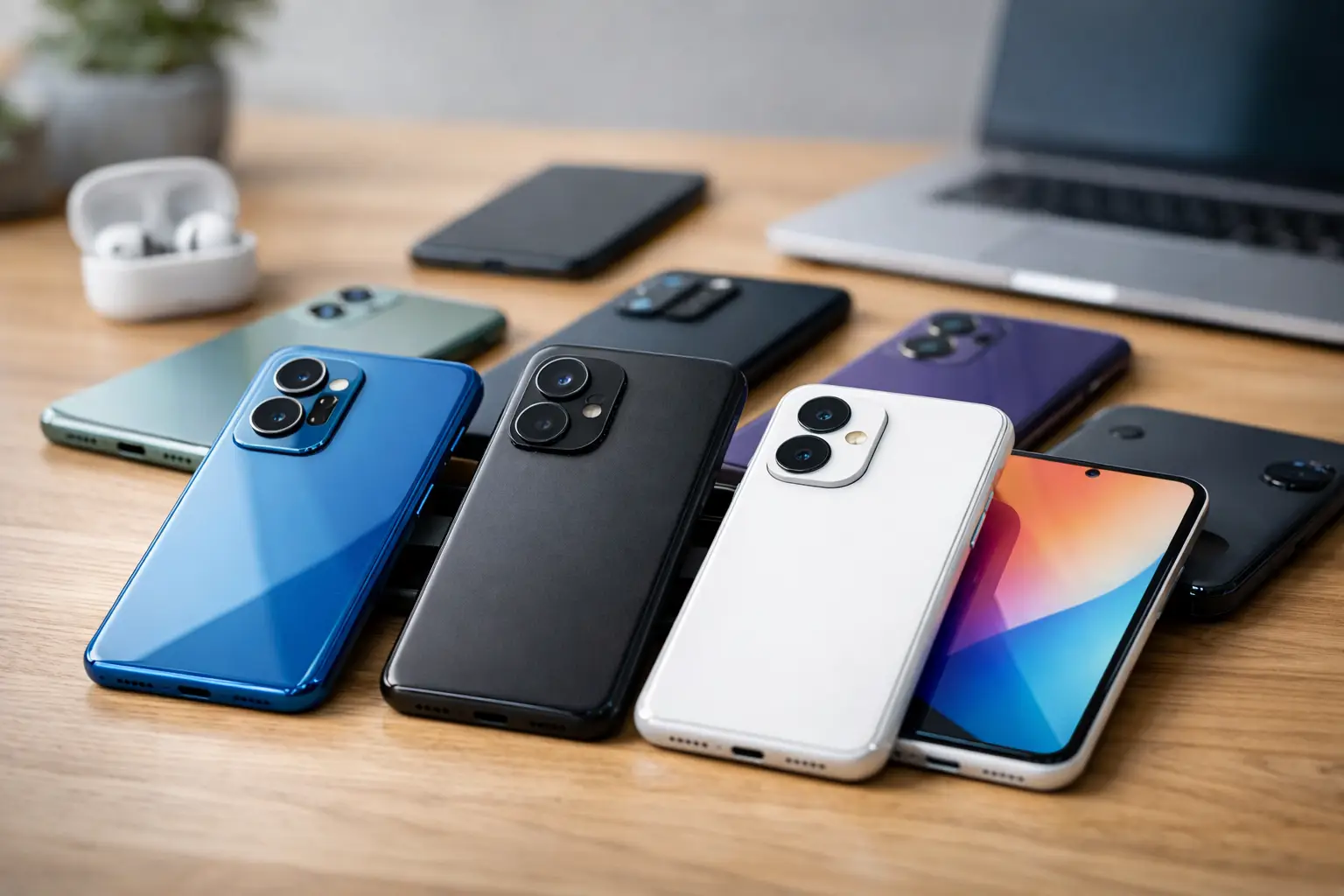
Flagship prices have gone properly wild, which is exactly why the best budget smartphones 2026 matter more than ever. You no longer need to spend four figures to get a phone that feels quick, takes solid photos and lasts through a long day. The catch is simpler – cheap phones are better than they used to be, but the gap between a smart buy and a frustrating one is still huge.
For most people, the sweet spot in 2026 sits well below premium pricing. The best value phones now offer high refresh rate screens, dependable 5G, larger batteries and cameras that are perfectly good for social media, family snaps and everyday use. What they often cut back on is just as important: low-light photography, water resistance, wireless charging, raw gaming power and long-term software support can still vary a lot.
What makes the best budget smartphones 2026 worth buying?
A budget phone is not just a cheap phone. That sounds obvious, but it is where plenty of buyers get caught out. A good budget handset feels balanced. It does not need to win every spec battle, but it should avoid glaring weaknesses that become annoying after two weeks.
The basics are non-negotiable. You want smooth day-to-day performance, a battery that comfortably lasts a full day, a display that does not look washed out, and software that will not feel abandoned after one update. Storage matters more than many shoppers expect too. In 2026, 128GB should really be the floor unless your use is very light.
Price bands matter here. At the lower end, around the entry-level bracket, brands tend to compete on battery life and screen size. Move up a bit and you start seeing better OLED displays, stronger chipsets and more reliable main cameras. Push closer to the upper budget tier and some phones begin to feel uncomfortably close to last year’s premium handsets.
11 best budget smartphones 2026 to shortlist
1. Google Pixel 9a
If you want the easiest recommendation, this is probably it. Google’s A-series usually nails the basics: clean software, excellent point-and-shoot photography and a size that does not feel ridiculous in your pocket. The big reason people keep coming back is camera consistency. You tap, shoot and get a pleasing result without much effort.
The trade-off is rarely raw power. Pixel A phones tend to be fast enough rather than class-leading for gaming, and charging speeds can feel conservative compared with rivals. Still, for buyers who care more about photos and software polish than benchmark bragging rights, it is hard to ignore.
2. Samsung Galaxy A56
Samsung remains one of the safest names in the mid-range market, and the Galaxy A56 looks like the sort of phone many mainstream buyers will prefer. Expect a bright display, familiar One UI software and wide availability through UK retailers and networks.
Samsung’s strength is balance and trust. The camera system is usually dependable in daylight, the screens are often among the best in class, and software support tends to be stronger than many cheaper Android rivals. The downside is value – Samsung sometimes charges a bit more than brands from China for similar hardware.
3. Nothing Phone 3a
For buyers bored of generic slabs, Nothing has a real opening. Its budget-friendly models tend to stand out visually without becoming a gimmick, and the software experience is lighter and cleaner than many competitors. That matters if you want something modern but not overloaded with duplicate apps.
The appeal here is style plus smoothness. If the pricing lands right, the Phone 3a could be one of the most interesting alternatives in this category. Just do not expect it to beat camera-focused rivals in every scenario.
4. Redmi Note 15 Pro
There is almost always a Redmi Note model somewhere in the budget conversation, and for good reason. These phones usually pack in screen quality, charging speed and big batteries at prices that get attention quickly.
The compromise is often software clutter. If you can live with extra apps and a busier interface, Redmi can be terrific value. If you want a cleaner experience out of the box, you may find yourself doing a bit of tidying up early on.
5. Poco X7 Pro
Poco tends to target people who want maximum hardware for the money, especially gamers and power users shopping on a tighter budget. If performance is your priority, this is the sort of handset worth watching.
The usual pattern with Poco is strong chipsets, fast charging and a big display, while camera finesse and premium finishing take a back seat. For mobile gaming, streaming and everyday speed, that can be a very good trade.
6. Motorola Edge 60 Neo
Motorola has quietly built a decent case for itself in the affordable market by keeping things simple. Near-stock Android, clean design and often excellent battery life give its phones broad appeal, particularly for buyers who just want something straightforward.
Where Motorola can slip is long-term update commitment and camera consistency. Still, if you hate bloated software and want a phone that feels easy to live with, this could be one of the friendliest options around.
7. OnePlus Nord CE 5
The Nord line has become a familiar name for anyone chasing value, and the CE models often aim for the middle ground between performance, design and price. OnePlus usually keeps things fast and responsive, which counts for a lot in day-to-day use.
This is the type of phone that suits people who want a polished all-rounder rather than a category specialist. It may not lead on photography or battery outright, but it often avoids major weaknesses.
8. CMF Phone 2 Pro
CMF gives Nothing a route into lower price brackets, and that makes it a brand to watch. If the sequel improves on the original formula, it could become one of the most talked-about affordable phones of the year.
Its appeal is likely to be practical rather than premium. Think solid core features, playful design touches and software that does not feel messy. That combination works well for students, first-time buyers and anyone replacing an ageing handset without wanting drama.
9. Realme 14 Pro
Realme still plays the value game aggressively, and that usually means eye-catching specs at surprisingly low prices. Fast charging and vivid displays are common selling points, which can make a Realme phone look very tempting on a comparison chart.
The question is whether the software and camera tuning match the hardware promise. Sometimes they do, sometimes they are merely fine. That makes Realme a brand worth comparing carefully rather than buying on specs alone.
10. Nokia G series 2026 model
Nokia’s modern budget phones often lean into durability, battery life and simple usability rather than flashy features. That still has an audience, especially among people who want a backup phone, a work handset or something for an older relative.
You are less likely to get the sharpest camera or fastest performance here, but you may get reliability and a no-fuss feel. For plenty of buyers, that is enough.
11. iPhone SE 2026 or iPhone 15 discounted
If you want iOS on a budget, the smart move may not be the newest cheap iPhone at all. It could be a discounted older flagship. Apple devices tend to hold their value, but retailer promotions and network deals can pull older models into budget territory.
The advantage is obvious – stronger processors, better build quality and long software support. The trade-off is usually battery life, slower charging and less storage at the entry price. If you are already in the Apple ecosystem, though, this route makes plenty of sense.
How to choose the best budget smartphones 2026 for you
The right pick depends less on the marketing and more on what annoys you most in a phone. If you care about photos, Google and Samsung are safer bets than spec-heavy bargain brands. If you care about gaming, Poco and some Redmi or Realme devices may give you more performance for the money.
Battery-first buyers should look closely at charging speeds as well as battery size. A huge battery is useful, but so is topping up quickly before leaving the house. Screen quality also deserves more attention than megapixel counts. A good OLED panel can make a phone feel more expensive every single day.
Software support is the sleeper issue. A bargain phone stops being a bargain if it feels outdated too quickly. Brands are improving here, but there is still a real spread between manufacturers that promise years of updates and those that stay vague.
What to watch before you buy
Do not buy purely on launch price. Budget phones move fast, and discounts arrive quickly. A handset that looks average at full price can become excellent value six weeks later.
It is also worth checking whether the camera system is genuinely useful or just padded out. Many affordable phones still throw in low-value macro or depth sensors that sound better on the box than they perform in real life. A strong main camera matters far more than a long list of weak extras.
Finally, think about size. Plenty of affordable handsets are huge now. That is great for streaming and battery life, less great if you want one-handed use or pockets that still function like pockets.
For most readers, the best move is not chasing the cheapest phone available. It is finding the one that gets the basics right without adding daily irritations. Spend a little time comparing the trade-offs, and your next budget phone could feel like a much smarter upgrade than the price tag suggests.

