

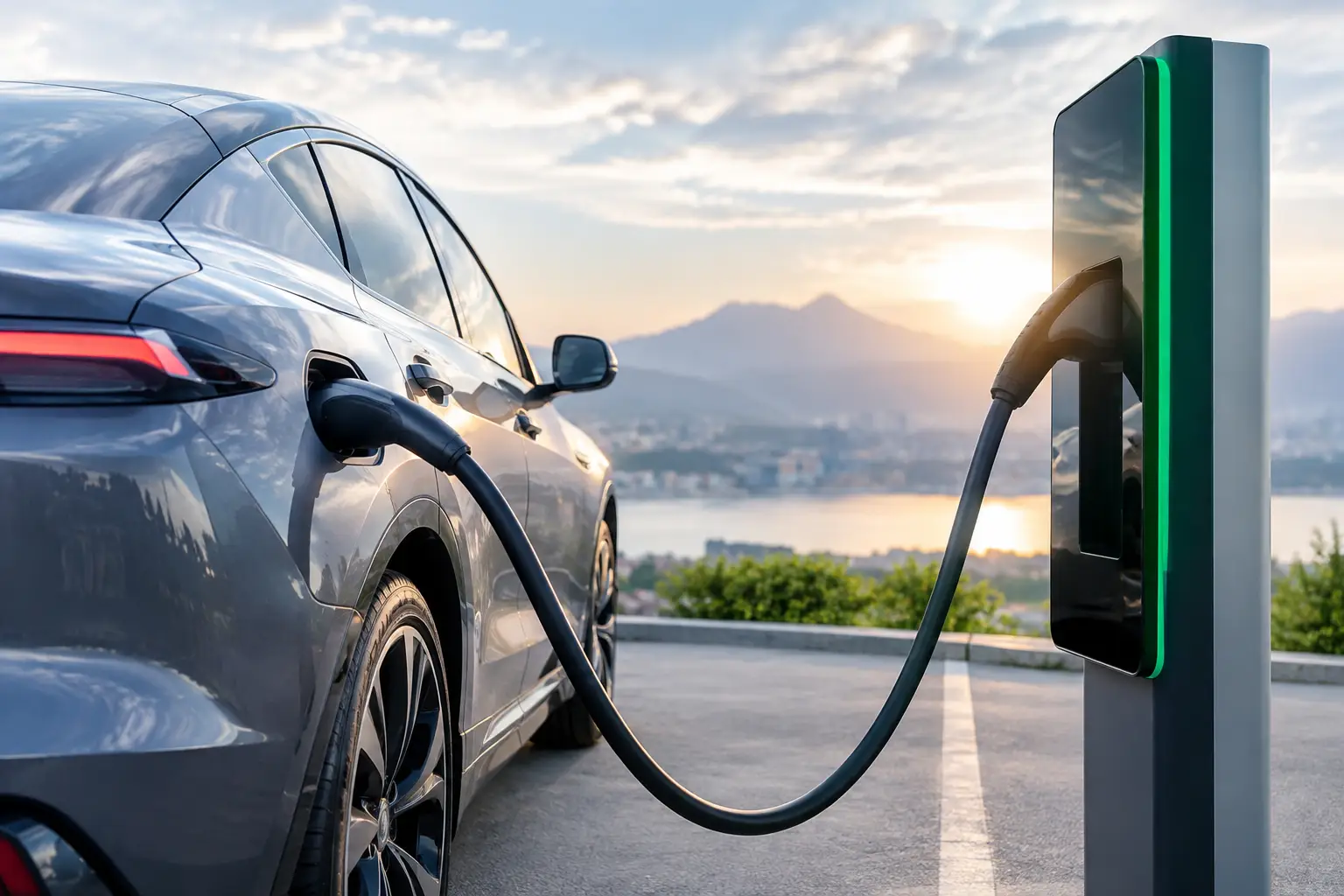
A family car that can add hundreds of miles while you stop for coffee, a second-hand EV that costs no more to run than a petrol hatchback, and a street where charging is as ordinary as parking: that is the promise now driving the future of electric vehicles. But getting there will not be as simple as every driver swapping keys overnight.
Electric cars have moved beyond the stage where they were mainly bought by early adopters. Choice is growing, prices are under pressure and charging points are appearing in more places. Yet the next chapter will be decided by the less glamorous details: affordable models, reliable public chargers, electricity capacity and whether drivers without a driveway are properly included.
The future of electric vehicles will be cheaper, but not instantly
The headline battle is price. For years, electric cars have carried a higher upfront cost than similar petrol or diesel models, even when their lower charging and maintenance costs make sense over time. That gap is narrowing as battery production scales up, manufacturers launch smaller vehicles and competition from Chinese brands intensifies.
The key word is narrowing, not disappearing. A new EV may still be beyond the budget of many households, particularly when finance rates are high. Carmakers also face a difficult balancing act: premium electric SUVs can protect profit margins, but mass-market buyers need dependable small cars, family crossovers and used vehicles at realistic prices.
That makes the used market hugely important. More lease vehicles are reaching their second and third owners, giving buyers a wider choice. Battery health reports, clearer warranties and better information about real-world range will matter just as much as sticker price. A five-year-old EV can be a smart buy, but shoppers will want confidence that its battery has been looked after and that local charging works for their routine.
Batteries are changing faster than most drivers can see
Range anxiety has not vanished, but it is becoming less central for many buyers. Modern EVs already cover more than enough distance for typical commuting, school runs and local errands. The bigger issue is how quickly and predictably a car can recharge on a longer journey.
Battery chemistry is moving in two directions. Lithium iron phosphate batteries are generally cheaper and well suited to everyday cars, while higher-energy battery packs remain useful for longer-range models. Carmakers are also working on improved battery designs that can charge faster, use fewer costly materials and last longer.
Solid-state batteries are often presented as the next big breakthrough. They could eventually offer more range, quicker charging and improved safety, but large-scale production is difficult and expensive. Drivers should expect steady improvements rather than a sudden moment when every new EV has double the range.
There is also a growing focus on what happens after a battery leaves a car. Some packs can be reused for stationary energy storage before being recycled. Better recycling systems could recover valuable materials and reduce pressure on mining, though recycling alone will not remove the need for new raw materials as EV sales rise.
Charging must become boringly reliable
For drivers with off-street parking, home charging remains one of the strongest reasons to go electric. Plugging in overnight is convenient and can be cheaper than using rapid public chargers, especially on a time-of-use tariff. It turns the car into something closer to a phone: top it up when it is sitting idle.
For everyone else, the experience can be patchy. Flat dwellers, renters and people in terraced streets may depend on supermarkets, workplace chargers, car parks or rapid-charging hubs. That is why the future is not only about adding more charging points. It is about placing them where people genuinely need them, keeping them working and making payment straightforward.
A charger that is out of service, blocked by a non-charging vehicle or difficult to pay for can turn a simple journey into a frustration. Public networks are improving, and charging hubs with several high-speed bays are becoming more common on major routes. Still, the quality of the experience will vary by region.
Local authorities have a major role. Lamppost chargers and neighbourhood hubs can help, but they are not a universal answer. Pavement safety, parking pressure, planning permission and local electricity capacity all affect what can be installed. The most successful areas will combine home, workplace, destination and rapid charging instead of relying on one solution.
More choice means a messier market
The next few years will bring more electric vehicles in almost every shape: small city cars, practical estates, electric vans, luxury saloons and larger SUVs. That is good news for buyers, but it also makes the decision harder.
Range figures are useful for comparing cars, yet weather, speed, hills, heating and load can all change what happens in real use. A driver who mostly covers short trips may be better served by a smaller, cheaper battery than by paying extra for a large pack they rarely use. Someone who regularly travels long motorway distances will value rapid charging performance and a dependable route network more than a headline range number.
Electric vans are another area to watch. Delivery fleets can benefit from predictable routes and lower running costs, but payload, depot charging and downtime remain serious considerations. For a courier covering long distances with heavy loads, the right answer may depend on the route, not the marketing.
The grid is part of the electric car story
The question often asked is whether the grid can cope with millions more EVs. The answer is not a simple yes or no. Electricity demand will rise, particularly as transport and home heating become more electric. Yet EV charging can also be managed intelligently.
Most cars are parked for long periods. Smart charging can shift much of that demand to quieter, cheaper times, rather than asking everyone to plug in at the early-evening peak. This will require clear tariffs, reliable technology and consumer trust. Drivers must feel that convenience is not being sacrificed to help the system.
Vehicle-to-grid technology could go further by allowing parked EVs to send power back when demand is high. It is an attractive idea, particularly for homes with solar panels, but it raises practical questions about battery wear, payments and compatibility. It may become valuable for fleets and certain households before it is routine for every motorist.
The wider climate benefit also depends on cleaner electricity. An EV charged from a lower-carbon grid produces fewer emissions over its life than a comparable petrol car in most cases, but manufacturing batteries has an environmental cost. Smaller vehicles, longer-lasting batteries, cleaner factories and better public transport will all remain part of the bigger picture.
Policy will shape what drivers can actually buy
Car companies do not plan years ahead based on consumer demand alone. Rules on emissions, manufacturing investment, charging standards and company-car tax all influence the vehicles that arrive in showrooms. In the UK, the transition away from new petrol and diesel cars is tied to government policy, and changes to deadlines or incentives can quickly affect buyer confidence.
That uncertainty matters. Consumers are understandably cautious if they fear a policy U-turn, while manufacturers need stable rules before committing to factories, supply chains and charging partnerships. The strongest policy does not merely set a target. It makes the practical case easier: fair public charging prices, support for local infrastructure and transparent information for buyers.
For many households, the decision will stay personal rather than ideological. Can it fit the family? Can it be charged near home? Is the monthly cost manageable? Does it work for the annual holiday drive? Those questions will keep shaping demand long after the headlines move on.
The most convincing electric future will not be the one with the flashiest concept car. It will be the one where an ordinary driver can find the right vehicle, charge it without hassle and get on with the journey.

