

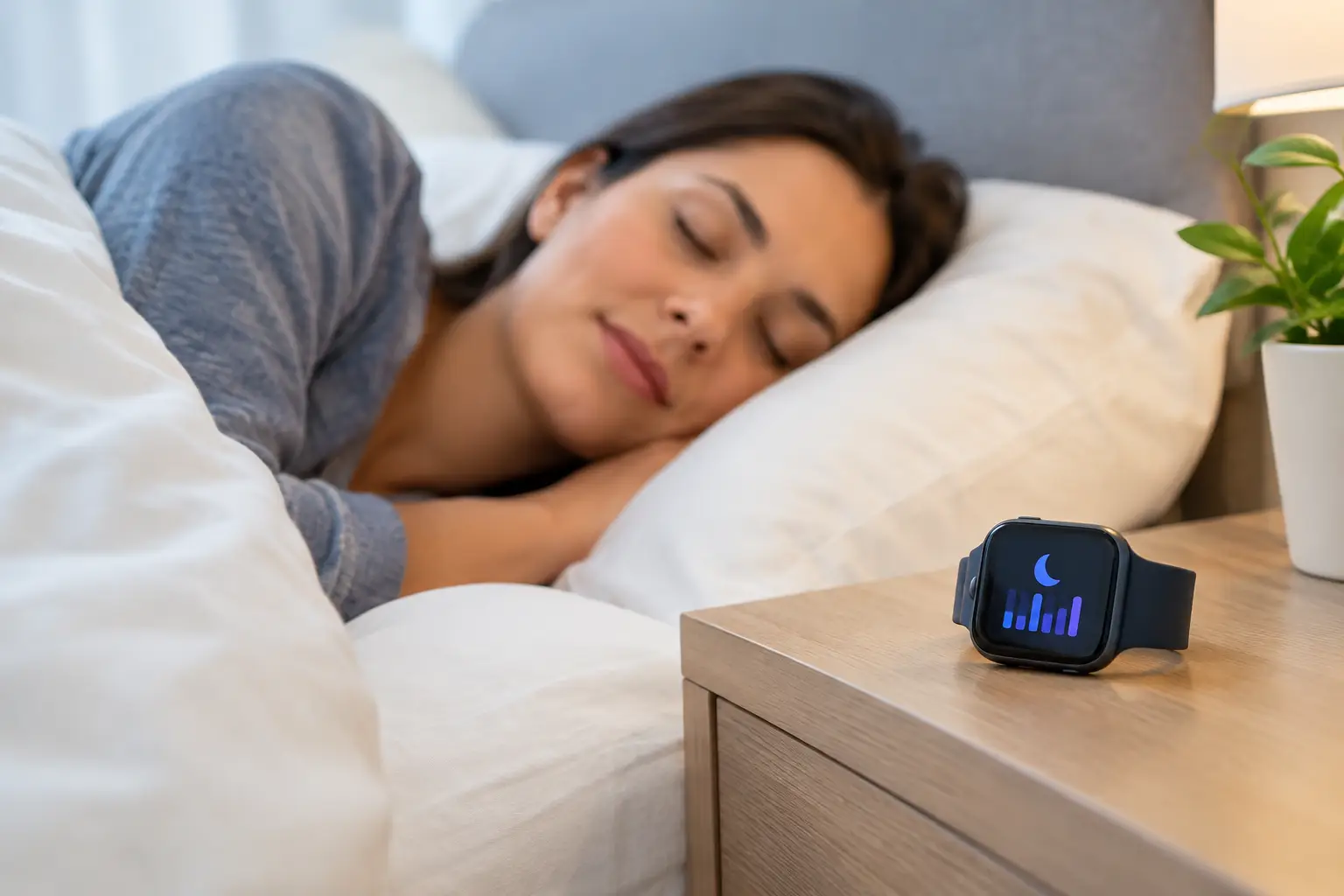
You wake up, glance at your wrist and see a sleep score of 62. Before blaming the late-night series binge, it helps to know what a smartwatch sleep tracker is actually measuring – and what it is only estimating. These devices can spot useful patterns over time, but a single disappointing score is not a verdict on your health.
For many people, sleep tracking has become as routine as checking the weather or counting steps. The appeal is obvious: your watch promises a quick read on how long you slept, when you woke, whether you got enough deep sleep and how ready you are for the day. The more useful question is not whether the number looks impressive. It is whether the data helps you make a change that leaves you feeling better.
What a smartwatch sleep tracker measures
Most watches use a combination of motion sensors and optical heart-rate sensors. When you are still for long periods, your heart rate drops and its rhythm changes in familiar ways, the device identifies that as sleep. Algorithms then turn those signals into estimates of sleep duration, wake-ups and sleep stages.
The main categories are usually light sleep, deep sleep and REM sleep. Light sleep makes up a large share of a typical night. Deep sleep is associated with physical restoration, while REM sleep is linked with dreaming, memory and emotional processing. Your watch may also show resting heart rate, breathing rate, blood oxygen readings on some models, skin temperature changes and overnight heart-rate variability.
That is a lot of data from a device the size of a biscuit. It is impressive, but it is not the same as a clinical sleep study. In a sleep laboratory, specialists can measure brain waves, eye movement, muscle activity and breathing in detail. A watch cannot directly see those signals. It makes an informed guess based on what happens at your wrist.
Why the sleep stages are estimates, not facts
A smartwatch can be very good at recognising the broad difference between being asleep and being active. It becomes less certain when asked to divide the night into exact stages. Lying awake quietly, for example, may look a lot like light sleep to a motion-based device.
Fit matters too. A loose strap, tattoos, colder skin, sweat, body hair and the way you sleep can all affect optical heart-rate readings. Alcohol, illness, intense exercise and stress may alter your overnight heart rate in ways that make the algorithm less predictable. Different brands also use different formulas, which is why two watches can report noticeably different sleep results after the same night.
This does not make the figures pointless. It means the trend matters more than a precise claim such as getting exactly 48 minutes of deep sleep. If your average sleep duration has dropped for two weeks and you feel sluggish, that is a useful signal. If deep sleep falls by ten minutes on a random Tuesday while you feel fine, it is probably not a reason to panic.
The score is a prompt, not a grade
Sleep scores package several measurements into one easy number. They are designed to be glanceable, but they can hide the reason behind the result. A score may fall because you went to bed late, woke several times, had an elevated resting heart rate or slept for fewer hours than your usual baseline.
Open the detail before reacting. Look for the factor that moved rather than chasing a perfect overall score. A person who sleeps soundly for seven hours may receive a lower score than someone who gets eight hours, yet still feel more alert and function well. Your daytime energy, mood and concentration count as evidence too.
How to use sleep data without obsessing over it
The best use of a smartwatch sleep tracker is to test everyday habits. Keep the experiment simple. For one or two weeks, maintain a more regular bedtime, avoid caffeine later in the day or leave your phone outside the bedroom. Then compare the pattern with how you feel each morning.
Do not change five things at once. If you cut out coffee, start an evening workout, buy blackout curtains and stop scrolling all in the same week, you will not know what made the difference. One manageable adjustment is more likely to stick anyway.
Pay particular attention to three numbers: total sleep time, bedtime consistency and overnight disturbances. For most adults, regularly getting somewhere around seven to nine hours is a sensible target, although individual needs vary. A watch can expose a common problem: spending eight hours in bed but only sleeping for six and a half because of late lights-out, early alarms or repeated wake-ups.
Consistency often matters more than a heroic catch-up lie-in at the weekend. If your usual bedtime shifts by several hours from Friday to Sunday, Monday can feel like a small dose of jet lag. Your tracker will not fix that pattern, but seeing it clearly can make it harder to ignore.
The sleep features worth paying attention to
Not every feature deserves equal mental space. Sleep duration is generally the most practical starting point because it is easy to understand and act on. A regular record can reveal whether you are routinely underestimating how little you sleep.
Resting heart rate can add context. If it is higher than your normal level for several nights, consider obvious causes first: a cold, a hard training block, alcohol, anxiety, a warm room or poor sleep itself. Heart-rate variability can be interesting in the same way, but it is highly personal. Comparing your own baseline is more useful than comparing a number with a friend’s.
Some watches flag irregular breathing or offer blood oxygen readings. Treat these as conversation starters, not diagnoses. Consumer wearables are not designed to rule out conditions such as sleep apnoea. Still, repeated alerts alongside loud snoring, gasping, morning headaches or extreme daytime tiredness are worth discussing with a GP.
When tracking can make sleep worse
There is a downside to putting every night under surveillance. Some people start checking the score before they notice how they feel, then worry themselves awake after a poor result. This has a name – orthosomnia – and it is a reminder that data can become counterproductive.
If the watch is making bedtime feel like a test, take a break from the sleep screen. You might wear it but hide notifications, review the trend once a week rather than every morning, or stop tracking overnight altogether for a while. Good sleep is not something you can force by monitoring it harder.
Simple ways to improve the numbers that matter
A tracker works best alongside ordinary, unglamorous sleep habits. Aim for a wake-up time you can keep most days, get daylight in the morning, and make the bedroom cool, dark and quiet. Move your body during the day, but allow intense exercise to finish early enough that you can wind down.
Evening routines do not need to be elaborate. A shower, a book, gentle stretching or ten quiet minutes away from messages can signal that the day is ending. If you drink alcohol, notice what it does to your own sleep pattern. It may make you feel sleepy at first while fragmenting the second half of the night.
The same goes for screens. Blue-light settings can help at the margins, but the bigger issue is often stimulation: one more work email, one more match highlight, one more episode. Set a realistic cut-off that fits your life rather than chasing a flawless routine you will abandon by Wednesday.
When to look beyond your watch
See a GP if you regularly struggle to sleep, wake gasping or choking, snore loudly with daytime exhaustion, experience persistent insomnia, or feel dangerously sleepy when driving or working. Seek advice as well if your mood, memory or daily functioning is being affected. A wearable can provide a useful record to mention, but it should not be the basis for self-diagnosis.
Your watch is most valuable when it helps you notice a pattern and make a calm, practical adjustment. Use the data to become more curious about your sleep, not more critical of it. The best outcome is not a dazzling score on a tiny screen – it is waking up with enough energy to enjoy the day ahead.

