

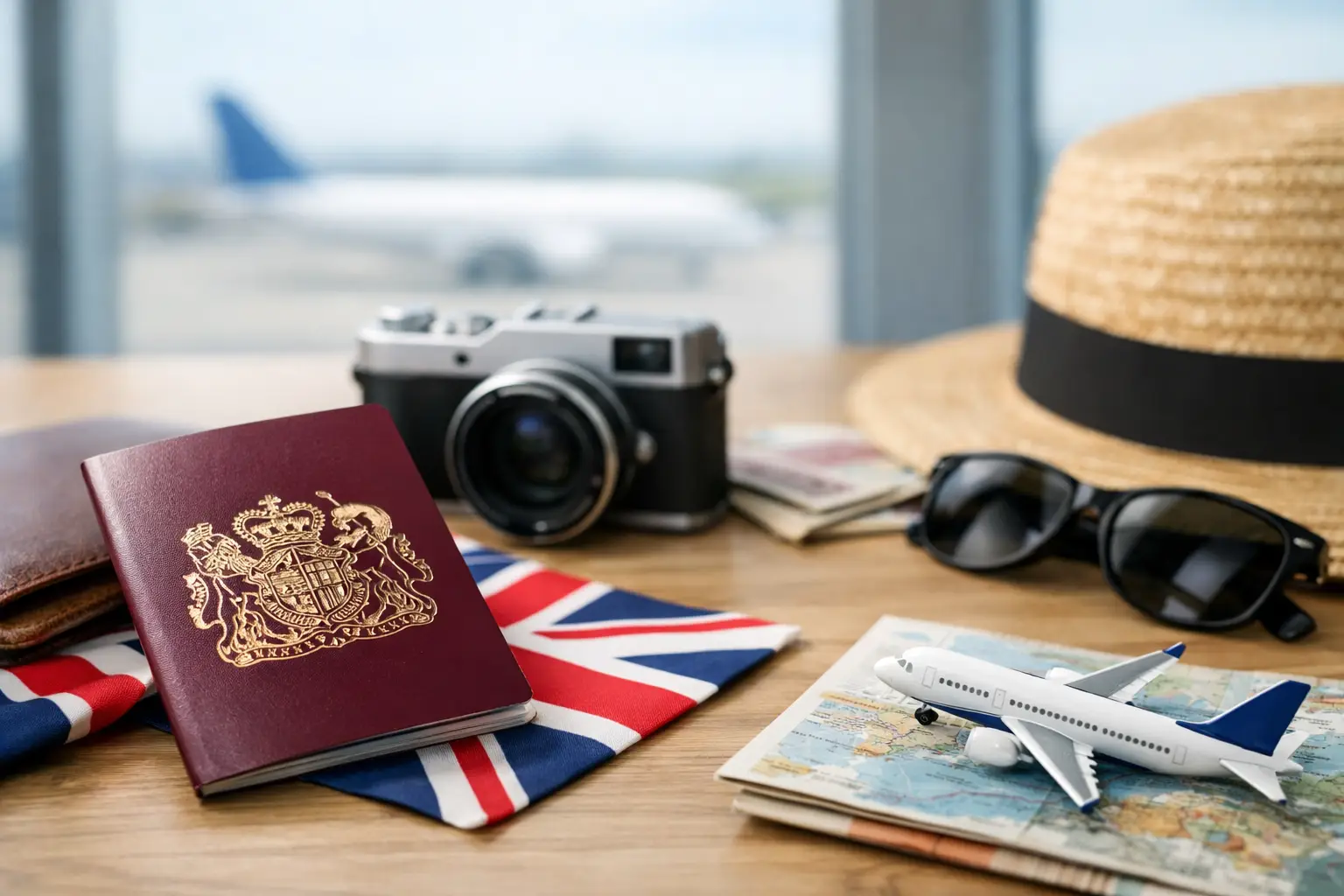
That bargain break can become expensive very quickly if a passport is tucked away in a drawer until check-in week. This passport renewal guide is for UK travellers who want to get the paperwork sorted early, avoid airport panic and understand what actually matters before booking or travelling.
The first rule is simple: do not judge your passport only by its printed expiry date. Many destinations require your passport to have a set period of validity remaining when you arrive, while others have rules about the date it was issued. Airlines can refuse boarding if your travel document does not meet the entry rules for your destination.
Check your passport before you book
Look at the expiry date, the issue date and the condition of the document. A passport that is badly damaged, watermarked, torn or has a loose cover may not be accepted, even if it is technically still in date. If your appearance has changed significantly, it is also sensible to renew rather than leave the decision to an airline employee at the airport.
For travel to the EU, most UK visitors need a passport issued less than 10 years before their arrival date and valid for at least three months after the day they plan to leave. That is not a universal rule. Countries outside Europe set their own requirements, and some ask for six months’ validity. Check the official entry requirements for every country on your itinerary, including places where you are only changing flights.
A useful habit is to check your passport as soon as a trip moves from wish list to booked. If you are planning a wedding abroad, a cruise, a long-haul family holiday or a multi-country route, give yourself more breathing room than you think you need.
When should you renew a UK passport?
There is no single perfect deadline, but renewing several months before travel is the low-stress option. Standard processing times can change through the year, particularly around school holidays and peak travel periods. A straightforward online renewal may be quicker than a paper application, but no one should build a non-refundable journey around an assumed turnaround time.
Apply earlier if your case is not straightforward. You may need extra time if your passport has been lost or stolen, if you have changed your name, if this is the first adult passport after a child passport, or if you are applying from outside the UK. The same applies if you need to provide original documents or have details that do not match across records.
Urgent services may be available for some applications, but availability, eligibility and appointment locations can vary. They are designed for genuine time pressure, not as a replacement for checking your document before booking flights. They also cost more, so an early renewal is often the cheaper choice.
Passport renewal guide: what you need ready
Most adult renewals are completed online. Have your current passport beside you before you start, because you will need to copy its details accurately. You will also need a suitable digital photo and a way to pay the application fee.
For a routine renewal, the process is usually fairly direct. Complications tend to arise where personal details have changed or the previous passport cannot be supplied. Gather any supporting evidence before starting, rather than submitting an application and then hunting for paperwork while a trip date gets closer.
You may need:
- your current or most recent passport;
- a new digital passport photo that meets the required standards;
- evidence of a name or gender change, where relevant;
- details of a person who can confirm your identity, if requested; and
- payment for the current application fee.
The exact documents depend on your circumstances. A marriage certificate, civil partnership certificate, deed poll or other official evidence may be needed after a name change. If your old passport is lost or stolen, expect more questions and potentially more documentation. Never assume a photocopy or a photo on your phone will be accepted where an original is required.
Getting the passport photo right
The photo is a common source of avoidable delays. Use a recent, clear image with a plain light-coloured background, even lighting and no heavy filters. Your face should be fully visible, with a neutral expression and no sunglasses or head covering unless worn for religious or medical reasons.
Online systems can check a digital image, but an automated approval is not always a final guarantee. Avoid using an old social-media photo, a cropped group shot or a picture taken in poor light. Children must also meet photo rules, although there are age-related allowances. If you are unsure, use a professional service that understands UK passport standards.
Online or paper application: which is better?
For many renewals, applying online is the fastest and most convenient route. It lets you upload a photo, pay immediately and track progress without printing forms or arranging extra post. It also reduces the risk of handwriting errors.
A paper form can still suit people who are not comfortable applying digitally or whose situation requires more detailed supporting material. The trade-off is that paper applications can take longer to complete and return, and the form must be filled in precisely. Whichever route you choose, use the current fee and processing information when you apply rather than relying on an old screenshot or a friend’s experience.
Be wary of unofficial websites that charge an additional fee to complete a form on your behalf. They can look convincing in search results, but a standard renewal does not need a middleman. Read every page before paying, especially if the site is presenting itself as an urgent service.
Do not forget child passports and changed details
A child passport is not simply an adult renewal with a different photo. Child passports have shorter validity and applications can require consent or information from parents or those with parental responsibility. Start early if a child’s passport is close to expiring, particularly before a school-holiday departure.
If your name has changed since your last passport, make the change before travelling under the new name. Your booking, passport and any relevant visa or travel authorisation should match. A mismatch can create problems at check-in, even when the reason is perfectly legitimate.
The same caution applies after a divorce, marriage, civil partnership or deed poll. It can be tempting to book first and update documents later, but that approach creates more work if the renewal takes longer than expected or a supporting document is missing.
What happens after you apply?
Once submitted, keep an eye on the application status and respond quickly if more information is requested. If you need to send an old passport or original documents, follow the instructions carefully and use the specified method. Do not book travel that depends on having those documents back by a particular date unless you have allowed plenty of contingency.
When the new passport arrives, check every detail immediately: spelling, date of birth, sex marker, photo and validity dates. Store it somewhere safe, then make a secure note of the passport number and expiry date. That small bit of organisation makes future bookings, insurance forms and replacement applications far less painful.
A passport renewal is rarely exciting, but it is one of the easiest travel jobs to get right. Put a reminder in your calendar well before the next big trip, and your holiday planning can stay focused on the part that matters: where you are going.

