

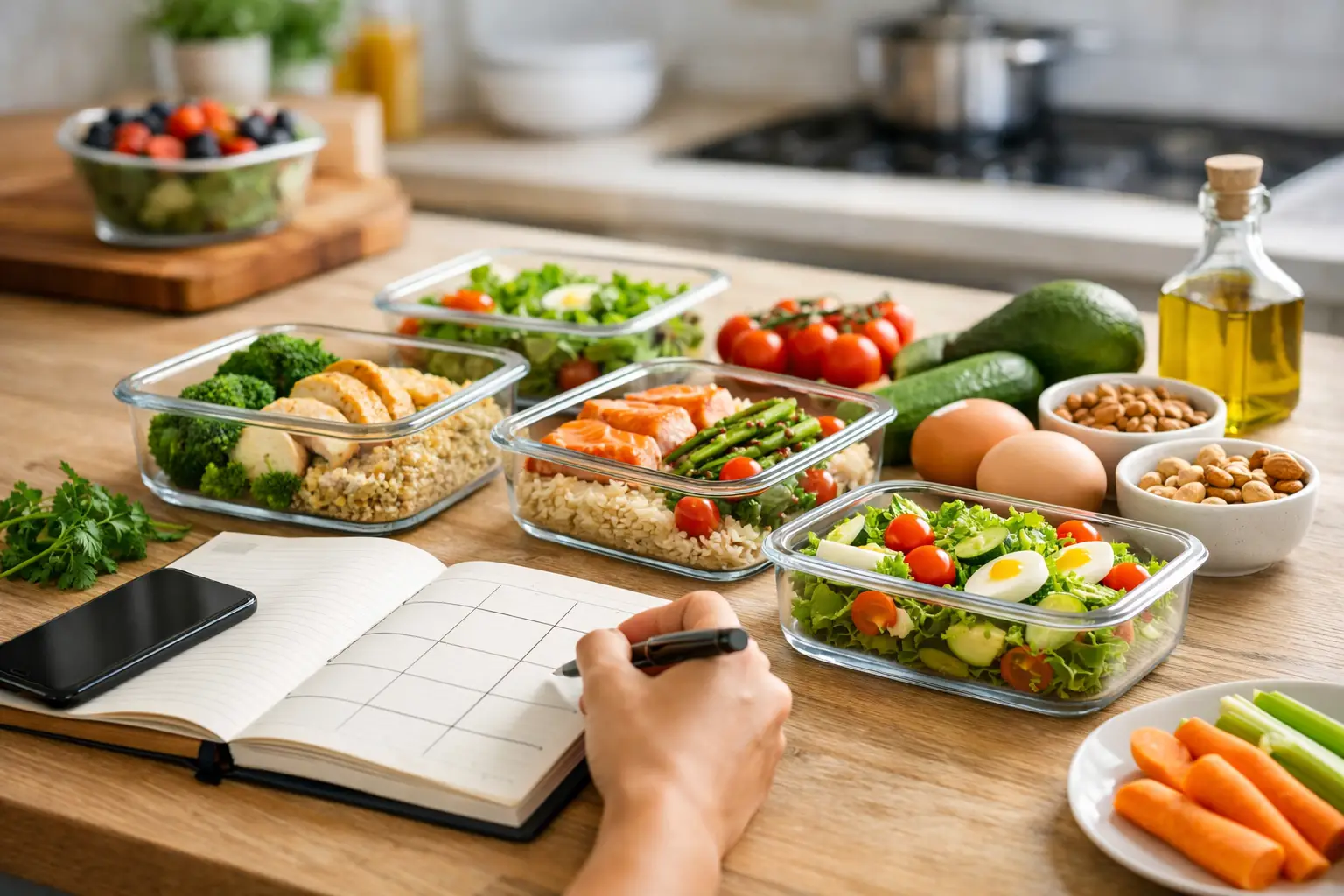
The 6pm question of “what are we having for dinner?” can turn a perfectly normal weekday into an expensive takeaway order. A beginner guide to meal planning is not about cooking seven picture-perfect dinners or filling every spare container in the fridge. It is about making a few decisions before you are hungry, busy and staring at a nearly empty cupboard.
For most people, the payoff is immediate: fewer last-minute supermarket runs, less food waste and a clearer idea of where the food budget is going. The best plans also leave room for real life, including late meetings, a spontaneous meal out or the evening when beans on toast is genuinely the sensible option.
Beginner guide to meal planning: start smaller than you think
The fastest way to abandon meal planning is to make it too ambitious. Planning breakfast, lunch, dinner and snacks for every day may work for some households, but it is rarely the right starting point. Begin with four or five evening meals for the coming week. That gives you structure without pretending every day will run to schedule.
Pick a regular time to plan, ideally before your main food shop. Ten to 15 minutes on a Friday evening or Saturday morning is enough. Check what is already in the fridge, freezer and cupboards first. A bag of frozen peas, half a jar of pesto and a tin of chickpeas can become the basis of a meal rather than forgotten clutter.
It also helps to look at your calendar. If Tuesday involves a gym class and Thursday is a late finish, those are not the nights for a new recipe with six pans. Put your quickest meals there and save a more involved dish for a quieter evening. Meal planning works best when it reflects your week, not an ideal version of it.
Choose meals with built-in overlap
A smart plan does not require a long list of one-off ingredients. Choose meals that share core items while still tasting different. For example, a pack of chicken can cover a traybake, wraps and a simple stir-fry. Spinach might go into pasta, eggs and a curry. One block of cheddar can work across jacket potatoes, quesadillas and a vegetable bake.
This approach keeps the shopping list shorter and reduces the chance that a specialist ingredient sits unused until it goes out of date. It can also make cooking feel less repetitive. The same roasted vegetables can be served with couscous one night, folded into an omelette the next day and added to a lunchbox later in the week.
There is a trade-off. Buying a wide range of fresh ingredients can make meals more exciting, especially if you enjoy cooking. But if time, money or fridge space is tight, repeating a few ingredients is often the more practical choice. Variety can come from sauces, herbs, spices and different ways of serving a meal.
Keep a short list of dependable meals
You do not need a collection of complicated recipes to plan well. Create a personal rotation of meals you can make with little thought. The right choices depend on your tastes, dietary needs and kitchen confidence, but a useful list might include pasta with a vegetable sauce, chilli with rice, baked potatoes with fillings, a curry using a jarred sauce, or a traybake with sausages or chickpeas.
Aim for meals that take roughly the amount of time you genuinely have. Social media can make a 20-minute dinner look effortless, but chopping, washing up and helping children with homework do not disappear. If a recipe routinely takes you an hour, plan for an hour.
Build a shopping list that you will actually use
Once you have chosen your meals, write down every ingredient you need, then cross off what is already at home. Grouping the list by section – fruit and veg, chilled food, cupboard staples and freezer items – makes shopping faster and reduces impulse buys.
Before adding anything, be honest about portions. A household of two may not need a family-sized bag of salad, while a family with teenagers may need more than a recipe suggests. Check use-by dates too. Plan delicate produce, such as fish, berries and leafy greens, for earlier in the week. Frozen vegetables, tinned tomatoes, pulses and dried pasta give you more flexibility for later meals.
A basic cupboard makes planning much easier. You do not need every trendy condiment, but keeping a few reliable staples on hand means a plan can survive a missed shop. Consider pasta, rice, noodles, tinned beans, chopped tomatoes, stock cubes, cooking oil, herbs, spices and a few freezer favourites. These are the ingredients that turn leftover veg into soup or a nearly bare fridge into a proper dinner.
Plan for lunches and leftovers without forcing them
Leftovers can save time and money, but only if people in your household will eat them. If yesterday’s dinner is likely to be ignored, do not plan around it. Instead, make a smaller portion or repurpose it. Leftover roast chicken can become wraps; cooked rice can become fried rice; a large pot of chilli can be frozen in individual portions for another week.
Lunch planning is worth considering if buying meal deals or café lunches is becoming a daily habit. It does not have to mean identical meal-prep boxes lined up in the fridge. A simple combination of leftovers, sandwiches, soup, fruit and yoghurt may be enough. The goal is to make the easier choice available when lunchtime arrives.
Be careful with food safety. Cool cooked food promptly, store it in the fridge and reheat it until piping hot. If you are unsure whether leftovers are still safe to eat, do not take chances. Saving money is never worth a bout of food poisoning.
Give every week a flexible meal
The most useful meal on a plan is often the one with no fixed recipe. Think of it as a flex night: freezer pizza with salad, eggs on toast, a quick noodle bowl, soup and bread, or a meal made from whatever needs using up. It protects the rest of the plan when life changes.
You can also label one evening “takeaway or eat out” if that is a regular part of your routine. Including it is not cheating. A plan that acknowledges how you live is more likely to last than one built around restriction.
If money is the main concern, set a rough food budget before you shop and choose a few lower-cost meals around beans, lentils, eggs, oats and seasonal vegetables. Meat and fish can still fit, but stretching them across several meals rather than making them the centrepiece every night can make a noticeable difference.
Make prep optional, not a second job
Meal planning and meal prep are related, but they are not the same thing. Planning means deciding what you will eat. Prep means doing work in advance. You can meal plan successfully without spending a Sunday afternoon cooking every meal.
A small amount of preparation can help: wash vegetables, cook a batch of rice, grate cheese, portion snacks or marinate protein for the next day. Stop there if that is all you have energy for. For some people, cooking several portions at once is a lifesaver; for others, it makes food feel uninspiring by Wednesday. Test what suits you.
Keep a note on your phone of meals that were easy, affordable and popular. After a few weeks, planning stops feeling like another admin task because you have your own dependable menu to draw from. Start with the next four dinners, not a flawless new lifestyle, and let the habit earn its place in your week.

