

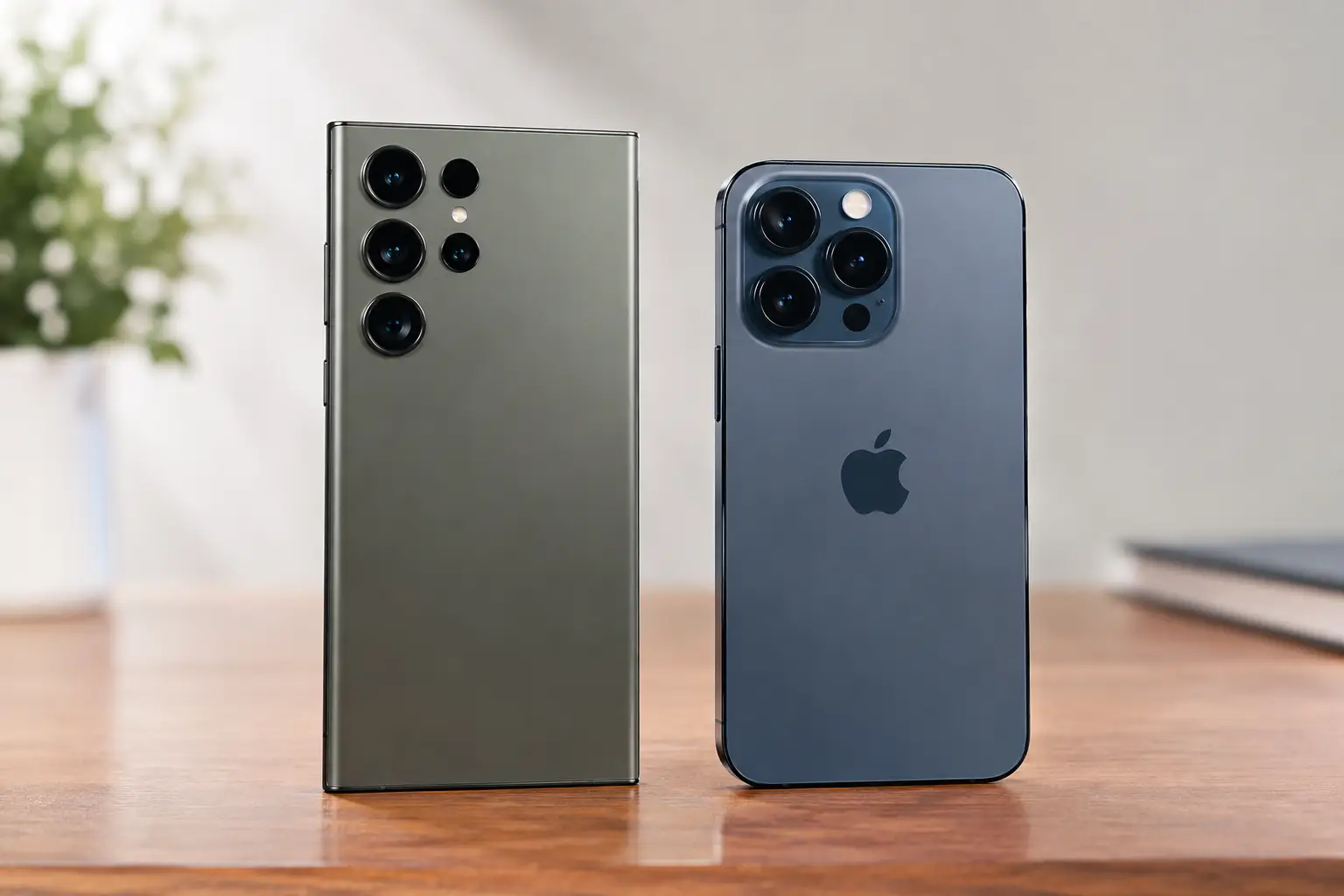
A phone camera can now decide far more than whether a picture looks good on a screen. It affects how your holiday clips turn out, whether your child’s school play is usable in low light, and how confidently you can leave a compact camera at home. In the Android vs iPhone cameras debate, there is no single winner – because Android is a huge field of phones, while the iPhone range follows a more controlled formula.
The useful question is not simply which brand has the most megapixels. It is which handset takes the kind of photos and videos you actually want to keep. Here is where each side tends to shine, and where the marketing claims need a little context.
Android vs iPhone cameras: the headline verdict
For consistently polished video, dependable point-and-shoot results and social-media-ready footage, iPhones remain a very safe choice. Apple’s camera processing is designed to make shots look natural, expose faces well and keep colours consistent across its lenses. You generally know what you are getting.
Android flagships can be more exciting, particularly if zoom photography, night shooting, high-resolution detail or manual controls matter to you. A top Samsung Galaxy, Google Pixel, Xiaomi or Sony phone can produce excellent results, but their approaches are not identical. Calling Android cameras better or worse than iPhone cameras ignores a big difference: an affordable Android and a premium flagship belong in completely different conversations.
If you want the least fuss, iPhone has the edge. If you want more choice and the chance to match a camera system to a specific hobby, Android is often more compelling.
The biggest difference is image processing
Modern phone photography is heavily processed. When you press the shutter, the handset may combine several frames, brighten shadows, reduce blur, adjust skin tones and sharpen fine detail before the image reaches your gallery. The sensor matters, but software often explains why two phones produce noticeably different photos of the same scene.
Apple tends to aim for restrained, reliable results. iPhone images usually have balanced colour, realistic skin tones and an exposure that is ready to share without much editing. Sometimes that can look slightly less dramatic at first glance, especially beside a brighter Android image.
Google Pixel phones are famous for computational photography. Their pictures can pull impressive detail from tricky scenes, particularly portraits and darker streets. Samsung often leans into vivid colour, contrast and sharpening, producing photos that stand out on a bright phone display. Some people love that punch; others prefer to tone it down later.
Neither look is automatically more accurate. A sunlit blue sky may look more appealing with a little extra saturation, while a family portrait can look better when skin is less smoothed or brightened. Look at sample images on a larger screen if possible, rather than judging them only in a shop under harsh lighting.
Daylight photos are close at the top end
On a bright afternoon, premium phones from both camps are exceptionally capable. Main cameras capture plenty of detail, fast shutter speeds help with moving people and pets, and HDR keeps skies from turning white behind your subject.
The gap becomes clearer at the edges. iPhones often maintain a consistent look when you switch from the main lens to ultra-wide or telephoto. On Android, flagship models with strong hardware can match or beat this, but cheaper handsets may have a good main camera paired with weaker secondary lenses.
Do not buy an Android based on a headline figure such as 200 megapixels alone. Pixel count is only one part of the equation. Lens quality, sensor size, processing and stabilisation all shape the final picture. A well-tuned 12-megapixel or 48-megapixel camera can easily beat a poorly implemented high-resolution sensor.
Portraits and people
For everyday people shots, iPhone is hard to fault. Its portrait mode is usually reliable, and the standard camera does a good job of avoiding wildly unrealistic faces. Apple’s processing is particularly appealing for parents, event-goers and anyone who wants quick photos that look believable.
Google Pixel phones are also strong at faces and can handle difficult lighting remarkably well. Samsung’s portraits can look flattering but may occasionally apply more smoothing or processing than you want. The best move is to check whether a phone lets you reduce beauty effects and alter portrait blur after shooting.
Low light is no longer an iPhone-only win
Night modes have improved so quickly that even many mid-range phones can capture scenes that would once have been a blurry mess. The important distinction is how naturally they do it.
An iPhone often delivers a balanced night image with controlled highlights and realistic colours. It is dependable for restaurants, pubs, gigs and city streets. The phone also tends to make it clear when you need to hold still for a longer exposure.
Android results vary more widely. Pixel phones can be excellent in dim conditions, often revealing detail without requiring much effort. Some Samsung and Xiaomi flagships can produce very bright, detailed night images too, though a scene may look lighter or more processed than it did to your eyes. That is not necessarily a problem, but it is worth knowing if you value a true-to-life mood over maximum visibility.
For moving subjects in poor light, both sides face the same physical limits. Night mode helps architecture and a still group of friends. It cannot always freeze a dancing child or a band on stage without blur. In those situations, a phone with a larger main sensor and strong processing has an advantage, but no handset performs miracles.
Zoom is where Android often pulls ahead
This is one of the clearest areas of separation. Several Android flagships offer long optical or periscope zoom lenses that are genuinely useful for wildlife, sport, landmarks and shots from the back of a venue. Samsung’s Ultra models have made extreme zoom a major selling point, while other manufacturers have introduced similarly ambitious hardware.
The iPhone Pro models have capable telephoto cameras, and their shorter-range zoom results are excellent. But Android gives shoppers more options if reaching further is a priority. A dedicated optical lens preserves more detail than simply cropping into the main sensor.
There is still a catch. Claims of 50x or 100x zoom should be treated as an emergency option, not a promise of DSLR-quality photographs. Stabilising the shot becomes difficult, fine detail can look artificial, and lighting matters greatly. For most people, a sharp 3x to 5x lens is more valuable than a huge digital zoom number.
iPhone still leads the video conversation
For video, iPhone remains the easiest recommendation. Footage is consistently steady, exposure changes tend to be smooth, autofocus is dependable, and colours from different lenses generally match well. This matters when you are filming a birthday, travelling or making short clips without planning to edit them heavily.
Apple’s video tools are also widely supported by apps and editors. Features such as cinematic-style focus effects and high-quality recording formats may appeal to creators, although they can take up significant storage. The best settings are not always the highest settings if you are filming hours of footage.
Android video has improved substantially. Samsung flagships offer impressive stabilisation and flexible modes, while Google’s processing can make casual clips look very good. Yet iPhone still tends to be more predictable when lighting changes quickly or when you swap lenses while recording. For a budding creator whose main output is video, that consistency can outweigh a more adventurous zoom system.
Selfies and social apps need a reality check
The front camera is often overlooked until it becomes the one you use most. iPhones typically produce natural-looking selfies and reliable video-call quality. High-end Android devices can be equally good, but lower-cost models are more likely to cut corners here.
Social apps have historically been better optimised for iPhones, especially for recording directly inside an app. The gap is smaller than it used to be, and leading Android phones now work well across major platforms. Still, if you regularly film Stories, Reels or live content straight from the app, an iPhone can offer fewer surprises.
That said, the best way to get a good social post on either platform is often to record with the phone’s main camera app first, then upload the finished clip. You get more control over quality, framing and editing.
Which camera should you buy?
Choose an iPhone if you value reliable photos, polished video, straightforward editing and a camera that needs little thought. It is especially suited to people who mostly photograph friends, family gatherings, meals, pets and holidays, then share the results quickly.
Choose a premium Android if you want stronger long-range zoom, more camera settings, unusual hardware choices or the best value at a particular price. A Pixel may suit someone who wants effortless still photography, while a Galaxy Ultra can make more sense for someone who regularly shoots sport, concerts or distant subjects.
Most importantly, compare phones within your budget, not platforms in the abstract. A current iPhone Pro versus a budget Android is not a fair test, just as a top Android flagship versus an older standard iPhone will not tell you much. Check the main lens, ultra-wide quality, telephoto reach, storage options and how the camera feels in your hand.
The best camera is the one you will happily carry, understand and use before the moment disappears. Pick the phone whose strengths match your real life, then spend less time comparing pixels and more time taking photos worth revisiting.

