

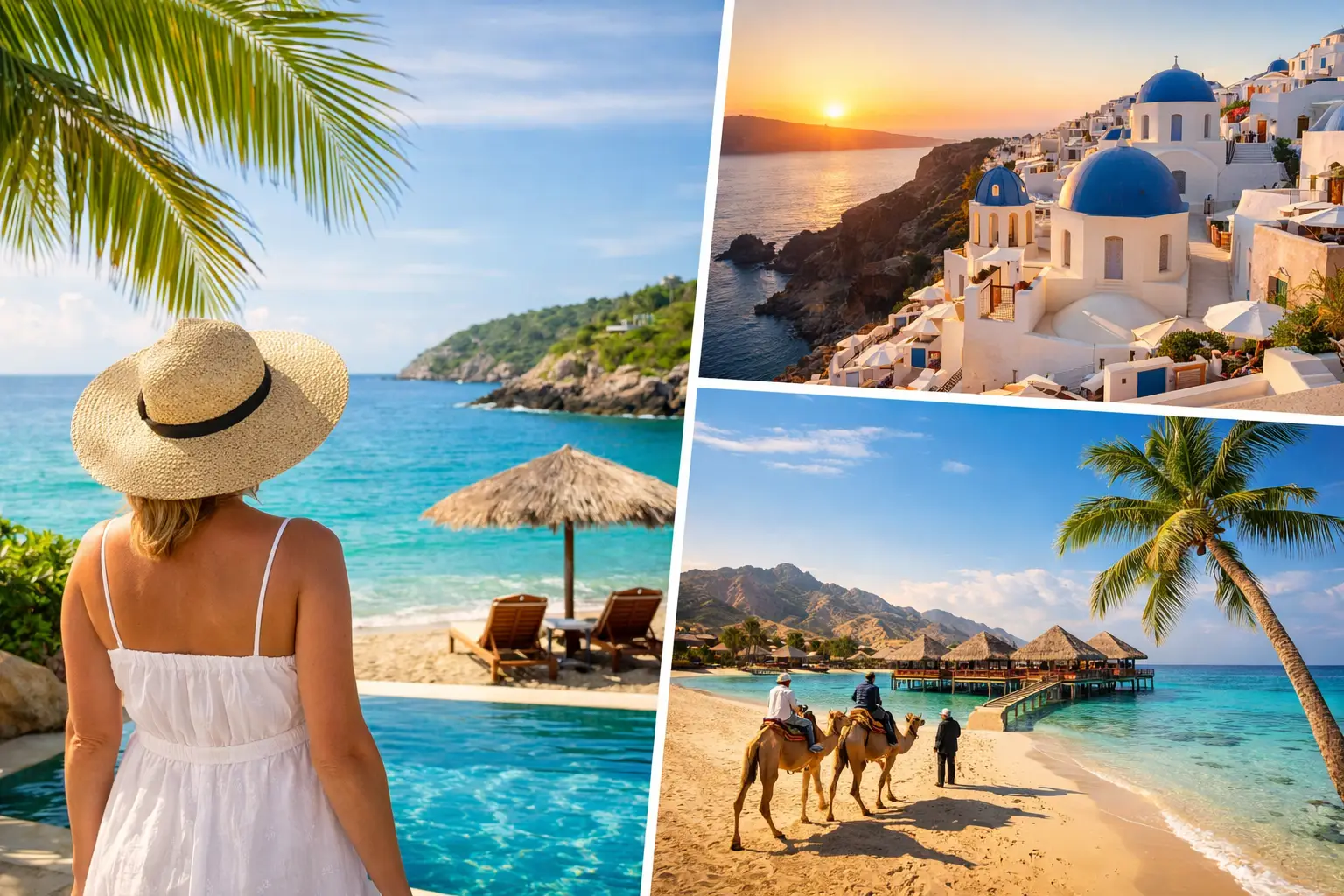
The coat comes out, the commute gets darker and suddenly a 7am sunrise feels like a luxury. That is exactly when searches for the best winter sun destinations start climbing. For UK travellers, the sweet spot is not always the hottest place on the map. It is somewhere with dependable warmth, manageable flight times and enough to do once the poolside novelty wears off.
Winter sun means different things to different people. Some want a quick long weekend in the Canary Islands; others are ready to swap grey January for a far-flung beach in the Indian Ocean. These picks cover both, with realistic trade-offs on weather, cost and travel time.
Best winter sun destinations from the UK
Tenerife, Canary Islands
Tenerife remains one of the most reliable choices for a winter break without a long-haul flight. Daytime temperatures commonly sit around 20-23C between December and February, especially in the sunnier south of the island. It is warm enough for lunch outdoors, coastal walks and, for the optimistic, a dip in the sea.
The big advantage is convenience. Direct flights from many UK airports take roughly four and a half hours, and there is a huge range of hotels, self-catering stays and all-inclusive options. For a quieter trip, look beyond the busiest resort strips towards smaller coastal towns or the island’s north. The trade-off is that it can be breezy, and evenings still call for a light jacket.
Gran Canaria, Canary Islands
Gran Canaria is often a safer bet for beach weather than some of its neighbours, particularly around Maspalomas, Meloneras and Puerto de Mogán in the south. Expect plenty of daylight, comfortable temperatures and a dry climate that makes a winter escape feel genuinely restorative.
It suits couples, groups and families because the island can be as relaxed or as lively as you want it to be. Spend one day on the dunes, another in the mountains, then finish with seafood by the harbour. Prices rise during Christmas, New Year and half-term, so January after the school holidays can offer better value.
Madeira, Portugal
Madeira is not the destination for lying on a huge sandy beach all week. It is, however, a brilliant choice for travellers who want warmth with scenery, food and a bit of momentum. Winter highs usually land in the high teens to low twenties, while Funchal brings botanical gardens, markets, waterfront restaurants and dramatic Atlantic views.
The island is made for levada walks, coastal drives and slow lunches rather than lazy resort days. Pack layers because the weather can change quickly across the island, especially at higher elevations. If your version of winter sun includes hiking shoes and a decent glass of wine, Madeira earns its place.
Cyprus
Cyprus is a strong shoulder-season favourite, though it is best for early winter rather than the deepest part of January. November can still feel pleasantly warm, and March starts to bring longer, brighter days before much of Europe catches up. Paphos and Larnaca are popular bases, with archaeological sites, beaches and restaurants all within easy reach.
It is a good option for a holiday that mixes sunshine with sightseeing. The sea may be too chilly for some swimmers in midwinter, and rain is more likely than in the Canaries, but a clear day can still deliver a very welcome dose of light.
Dubai, United Arab Emirates
Dubai has built its winter appeal on near-guaranteed blue skies, warm sea temperatures and a level of choice that makes planning easy. From November to March, daytime temperatures are usually comfortable rather than punishing, making it possible to combine beach time with shopping, desert trips, restaurants and major events.
It is an especially easy first long-haul winter break from the UK, with direct flights taking around seven hours. The downside is cost. Hotel rates can jump sharply around festive dates, and eating, activities and taxis can add up. It pays to choose a package or set a spending plan before you go.
Cape Verde
For a proper beach reset, Cape Verde is hard to ignore. The islands sit off the west coast of Africa and are known for long sandy beaches, sunshine and a laid-back rhythm. Sal and Boa Vista are the main choices for resort stays, with winter temperatures generally in the mid-twenties.
This is not the place to expect a packed city-break itinerary. The appeal is the opposite: wide-open coastline, watersports, local music and the chance to switch off. Wind is common, which is great for kitesurfers but can make a beach day feel cooler than the thermometer suggests. Couples and adults looking for calm often get the most from it.
Marrakech, Morocco
Marrakech offers a different kind of winter warmth. Days can be sunny and mild, often around 20C, while evenings cool down quickly. It is ideal for a three- or four-night break filled with rooftop lunches, hammams, souks and riad stays, rather than a classic swim-and-sunbathe holiday.
The city feels lively in winter, when walking around the medina is much more comfortable than in peak summer heat. Bring warm layers for after dark and be prepared for the bustle. Staying in a riad within the old city gives the trip atmosphere, while a resort outside the centre offers more space and pool time.
The Gambia
The Gambia delivers warmth when much of Europe is firmly in winter mode. December to April is the dry season, with hot, sunny days and temperatures often pushing into the high twenties. Resorts along the coast offer beach access, but this compact West African country has plenty beyond the sun lounger, including river trips, wildlife and colourful local markets.
It has long been popular with British holidaymakers, so there are direct-flight package options during the winter season. The journey is longer than the Canaries, at around six hours, but the weather payoff is significant. Choose reputable accommodation, stay aware of local guidance and approach excursions with the same common sense you would anywhere.
Oman
Oman is one of the more underrated winter sun choices for travellers who want beaches without Dubai’s full-throttle pace. Muscat has warm, dry weather in winter, a rugged coastline and a more low-key feel. You can spend a morning at the beach, visit the Grand Mosque or old souq, then head into the mountains or desert on a longer trip.
It is best suited to people happy to spend a little more for a distinctive trip. Luxury resorts are a major draw, but independent travel can also work well with careful planning. The key consideration is transport: sights are spread out, so hiring a car or arranging tours makes a real difference.
Barbados
If the aim is Caribbean heat, Barbados is a reliable crowd-pleaser. The dry season runs through the UK winter, bringing warm days, bright water and the sort of beach weather that makes the long flight worthwhile. The island also works for more than resort time, with rum distilleries, cricket culture, surf spots and a lively food scene.
It is a bigger commitment in both time and budget, with direct flights from London taking roughly nine hours. Christmas and February half-term are particularly expensive, so late January or March can be smarter for travellers chasing better fares. Barbados is ideal for a week or more, not a rushed weekend.
Thailand
Thailand is a winter sun heavyweight for good reason. The dry season makes destinations such as Phuket, Krabi and Koh Samui highly appealing, although local weather patterns vary by coast and month. Expect tropical heat, excellent food and accommodation at a range of price points, from simple guesthouses to high-end beachfront resorts.
The long journey is the obvious trade-off, and jet lag can eat into a short trip. Give it at least 10 days if possible, especially if you want to combine Bangkok with an island stay. For many travellers, the value once you arrive helps balance the flight cost.
How to choose a winter sun holiday
Start with the type of warmth you actually want. The Canaries, Madeira and Marrakech are excellent for bright, mild days, but they are not guaranteed swimwear weather every hour. Cape Verde, Dubai, The Gambia and the Caribbean bring more dependable heat, usually with a higher price tag or longer journey.
Then look at timing. Christmas and New Year are peak weeks almost everywhere, while February half-term puts pressure on family-friendly resorts. Travelling in late November, early December, mid-January or March can mean lower prices and quieter hotels. Check regional weather rather than relying on a country’s overall forecast, too. Northern Tenerife and southern Tenerife can feel like different holidays in the same week.
Finally, do not underestimate what makes you happy away from the beach. A brilliant winter break might mean sunset walks in Gran Canaria, spice-scented evenings in Marrakech or a week doing very little in Barbados. Choose the destination that matches the pace you need, book the dates that fit your budget, and let a few days of proper daylight do the rest.

