

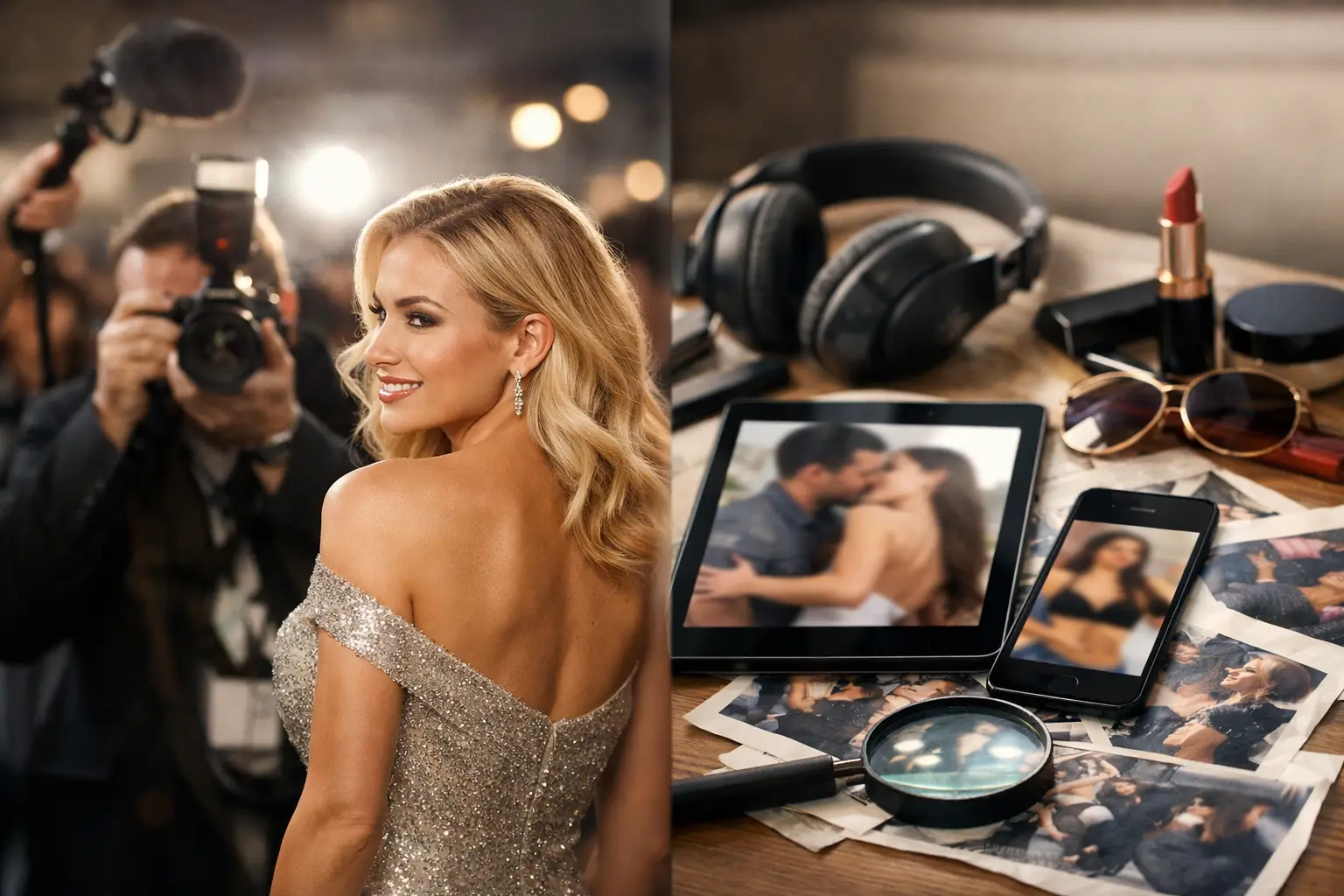
A grainy photo, a three-word Instagram caption and one anonymous quote can turn celebrity news into the internet’s biggest conversation before lunch. By the evening, the story may have changed completely. For readers, the challenge is not finding updates about famous people. It is working out which ones are real, relevant and worth their attention.
Entertainment coverage has become part breaking news, part social-media sport and part public diary. A film premiere can spark fashion trends, a relationship reveal can dominate feeds, and a casting announcement can tell fans exactly what to watch next. The best coverage gives people the context behind the headline without treating every rumour as fact.
Why celebrity news still drives the conversation
Fame has always carried public fascination, but the speed of modern coverage has changed the stakes. Stars no longer appear only in interviews, glossy magazines or television chat shows. They post directly to millions of followers, while fan accounts, paparazzi agencies, podcast hosts and entertainment reporters all react in real time.
That creates an unusually fast feedback loop. A musician can tease an album at breakfast, confirm a tour before midday and have fans analysing every lyric by nightfall. A television actor can leave a hit series, and audiences immediately want to know whether it was a creative decision, a contract issue or simply the end of a planned storyline.
For many readers, these stories are not trivial. Entertainment is a shared language. It shapes what people stream, wear, quote at work and discuss in group chats. Celebrity moments also sit alongside bigger subjects: representation on screen, pay gaps in sport, the pressure of online scrutiny, political endorsements and the business of major franchises.
Still, attention is not the same as importance. A headline about a red-carpet outfit may be fun and harmless. A claim involving someone’s health, family, career or reputation demands far more care. That distinction matters for publishers and readers alike.
The celebrity news cycle moves faster than the facts
Most celebrity stories begin with a trigger: a post, a public appearance, a legal filing, an interview clip or a report from a recognised outlet. Then comes the amplification. Screenshots spread, reaction videos appear, old quotes are recirculated and speculation fills every gap.
The trouble is that early reports are often incomplete. A celebrity may be photographed with a co-star and immediately face dating rumours. A delayed social post may prompt concern about a split. A single line removed from a longer interview can look harsher, stranger or more dramatic than the original conversation.
That does not mean every early story is false. It means the language should match the evidence. “Confirmed”, “announced” and “said” are useful when there is a direct statement or reliable documentation. “Reportedly”, “rumoured” and “fans have speculated” signal a lower level of certainty. Readers should notice the difference rather than treating them as interchangeable.
A strong entertainment update also explains what is known, what remains unclear and why people are talking about it. That extra context can be the difference between a useful story and a headline built entirely for a quick click.
Social posts are clues, not always confirmation
Social media has given celebrities a direct route around traditional press. It can be the clearest source for a pregnancy announcement, an album release date, a charity campaign or a response to criticism. It can also be deliberately playful, promotional or vague.
A cryptic lyric, an unfollow or a black-and-white selfie is rarely enough to confirm a major life change. Public figures know that followers read meaning into every detail, and sometimes that curiosity is part of a campaign. Film studios tease casts. Fashion labels seed launch-day hints. Musicians build anticipation one post at a time.
The sensible approach is to enjoy the clues without turning them into certainty. If the person involved has not said it, and no dependable reporting supports it, the story belongs in the “possible” pile, not the “proven” one.
What makes an entertainment headline worth reading?
The best celebrity coverage answers a simple question: why should someone care beyond the initial surprise? Often, the answer is practical. A new role means a favourite actor is returning to screens. A festival line-up helps music fans plan a summer weekend. A chef’s television appearance sends viewers searching for recipes. A sports documentary offers fresh access to an athlete whose career is already in the headlines.
There is also value in the business side of fame. Streaming deals, touring figures, brand partnerships and box-office results reveal how entertainment works as an industry. They show why certain projects get made, why familiar franchises keep returning and why some stars have influence far beyond their original field.
Human stories can be compelling too, provided they are handled fairly. A candid interview about grief, burnout, recovery or parenthood may resonate with readers who see their own experiences reflected in it. The line is crossed when coverage turns private pain into a spectacle, particularly where children, medical matters or unverified claims are involved.
Good reporting does not need to drain the fun out of pop culture. It simply avoids pretending that every viral moment carries the same weight.
How to read celebrity news without getting caught by the noise
A little scepticism goes a long way, especially when a claim feels designed to provoke outrage or instant excitement. Before sharing, check whether the headline names a source, includes a direct quote or points to a public statement. If several outlets are repeating the exact same anonymous claim, they may all be working from one unverified report.
Timing matters as well. Old videos regularly return as though they happened yesterday. Photos from previous events can be reposted without dates. A quote may be real but attached to a different project, relationship or controversy. Looking for the original context can change the meaning entirely.
It is also worth separating criticism from harassment. Celebrities choose public careers, and their work, public comments and professional decisions can reasonably be discussed. But coordinated pile-ons, invasive speculation and cruel commentary rarely produce useful conversation. The fact that someone is famous does not make every detail of their life public property.
For parents and younger readers, this is particularly relevant. Viral celebrity content can mix advertising, edited images and personal claims without clear labels. A polished post may be a paid partnership. A dramatic “feud” may be a joke between friends. A supposed transformation may involve styling, lighting, filters or a carefully selected before-and-after timeline.
Celebrity news is also a window on bigger culture
Look past the gossip and celebrity coverage often shows where public taste is heading. A breakout television show can make an unfamiliar location a holiday hotspot. A performer’s vintage look can influence high-street fashion. A star’s reading recommendation can revive an older novel. A single viral dance can push a decades-old track back into the charts.
This influence has trade-offs. It gives audiences more ways to discover artists, causes and communities that might otherwise be overlooked. At the same time, it can reward constant exposure over genuine talent, and encourage people to judge others by a tiny edited portion of their lives.
That is why the most useful entertainment reporting looks at both the moment and the mechanism behind it. Who benefits from the trend? Is a new launch being driven by real fan excitement, a promotional campaign or both? Has a controversy been confirmed, or has it been inflated by reaction accounts chasing views?
For a broad audience, celebrity coverage works best when it is quick to read but not careless. A strong update can tell readers what happened, place it in context and flag uncertainty without burying the main point under jargon.
The next time a celebrity story floods your feed, give it a second look before giving it a share. The headlines worth keeping are usually the ones that still make sense once the rush has passed.

